

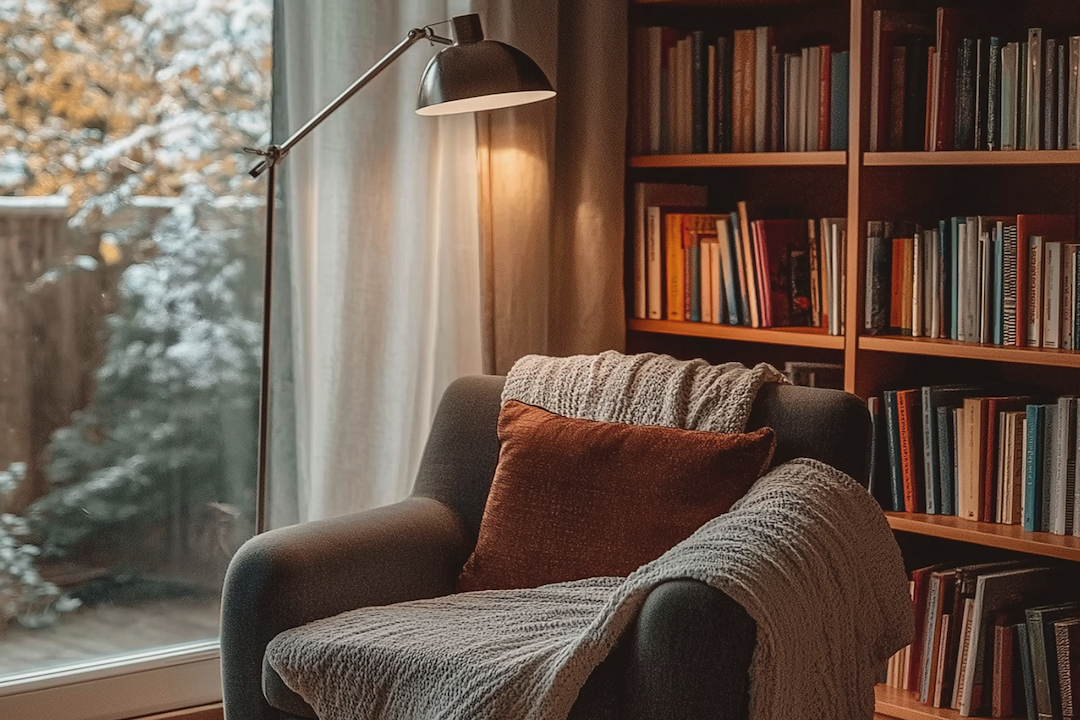
The creation of a comfortable and functional reading nook within a limited space necessitates careful consideration of lighting. This article explores strategies and fixtures to optimize illumination for small reading areas, ensuring both visual comfort and aesthetic integration.
A reading nook, regardless of its size, serves as a dedicated space for focused activity. The primary function is to provide an environment conducive to reading, which places specific demands on lighting. Unlike general room illumination, reading nook lighting must be precise, controllable, and minimize eye strain.
Visual Acuity and Contrast
Effective reading requires sufficient illumination to distinguish text clearly from its background. This involves not only the brightness of the light Manugoo but also its ability to render colors accurately and enhance contrast. Poor contrast can lead to fatigue and reduced comprehension.
Eye Comfort and Strain
Prolonged reading under inadequate or improperly positioned lighting can cause eye strain, headaches, and discomfort. Factors such as glare, flickering, and insufficient light levels contribute significantly to these issues. The goal is to create a soft, even light field that reduces shadows and minimizes harshness.
Ambiance and Atmosphere
Beyond functionality, lighting plays a crucial role in establishing the desired ambiance of a reading nook. A “cozy” atmosphere is often associated with warm, inviting light that encourages relaxation and prolonged engagement. The interplay of light and shadow can define the character of the space.
Types of Lighting Fixtures
Selecting the appropriate lighting fixtures is paramount for a small reading nook. Each type offers distinct advantages and disadvantages in terms of light distribution, footprint, and aesthetic appeal.
Task Lighting
Task lighting is the cornerstone of any functional reading nook. Its purpose is to direct focused light directly onto the reading material.
Desk Lamps
Desk lamps are versatile and easily repositionable. Their adjustable arms and heads allow for precise light placement, minimizing shadows and glare. For small nooks, models with a slim profile or clamp-on bases can conserve valuable surface area.
- Adjustability: Look for lamps with multiple pivot points and a rotating head.
- Shade Design: Opaque shades direct light downwards, preventing direct glare into the reader’s eyes.
- Footprint: Consider the size of the base relative to the available surface.
Floor Lamps
Floor lamps, particularly those with swing arms or height-adjustable features, can provide excellent task lighting without occupying table space. Their integrated design often includes an upward component that contributes to ambient lighting, softening the overall effect.
- Swing Arm Functionality: Allows for precise positioning of the light source over the reading material.
- Height Adjustment: Accommodates various seating heights and personal preferences.
- Base Stability: Essential for safety, especially in compact spaces.
Wall-Mounted Lamps
Wall-mounted lamps, or sconces, offer a permanent lighting solution that frees up both floor and table space. They can be strategically placed to illuminate the reading area from above or slightly behind the reader.
- Fixed Position: Requires careful planning of placement during installation.
- Direct vs. Indirect Illumination: Some offer a focused beam, while others provide diffused light.
- Hardwired vs. Plug-in: Consider installation complexity and electrical access.
Ambient Lighting
While task lighting provides direct illumination, ambient lighting contributes to the overall brightness and mood of the nook. It prevents the stark contrast between the illuminated book and a dark surrounding space, reducing eye strain.
Small Pendant Lights
Pendant lights, when appropriately scaled, can serve as both a decorative element and a source of ambient light. Hanging from the ceiling, they do not clutter the floor or surfaces.
- Size and Scale: Crucial in a small nook to avoid overwhelming the space.
- Diffuser Material: Frosted or translucent shades can soften the light output, preventing harsh overhead glare.
- Dimming Capabilities: Allows for adjustment of overall brightness.
Recessed Lighting
Though often associated with larger spaces, miniature recessed lights can provide subtle ambient illumination in built-in nooks or over custom shelving. Their discreet nature keeps the ceiling clean and uncluttered.
- Installation: Requires professional installation and ceiling modification.
- Beam Spread: Choose fixtures that offer a wide, even spread of light rather than a narrow spotlight.
- Trim Style: Consider finishes that blend with the ceiling for a seamless look.
Accent Lighting
Accent lighting, while not strictly necessary for functionality, can enhance the aesthetic appeal and defining features of a reading nook. It draws attention to architectural details or decorative items.
LED Strip Lights
LED strip lights can be discreetly installed along shelves, behind furniture, or within built-in structures to create a soft glow. They are energy-efficient and come in various color temperatures.
- Concealment: Best results are achieved when the light source itself is hidden.
- Color Temperature Selection: Can influence the perceived warmth or coolness of the nook.
- Dimming Control: Allows for adjustment of intensity.
Small Picture Lights
If the reading nook incorporates artwork or photographs, small picture lights can highlight these elements. Their focused beam contributes to the layered lighting scheme.
- Proportionality: Select lights that are sized appropriately for the artwork they illuminate.
- Adjustable Heads: Allows for precise aiming of the light.
- Warm Color Temperature: Often preferred for illuminating art to render colors accurately.
Considerations for Small Spaces
The inherent limitations of a small reading nook necessitate specific lighting strategies to maximize functionality and comfort without creating clutter or visual overwhelm.
Space Optimization
Every element in a small space must justify its existence. Lighting fixtures should either have a minimal footprint or serve multiple purposes.
Integrated Lighting
Consider furniture with integrated lighting, such as shelves with built-in LED strips or headboards with reading lamps. This streamlines the design and conserves space.
- Custom Solutions: Often the most effective for truly maximizing integrated lighting.
- Pre-manufactured Options: A growing market for furniture with integrated lighting.
- Electrical Access: Plan for power sources during design.
Multi-functional Fixtures
A single fixture that provides both task and ambient lighting can be a significant space-saver. For instance, a floor lamp with an adjustable reading arm and an upward-facing bowl can serve both purposes.
- Layered Illumination: Look for fixtures designed to provide diverse light distribution.
- Control Mechanisms: Separate switches or dimmers for different light sources within the fixture.
Scale and Proportion
The size of lighting fixtures must be in direct proportion to the reading nook itself. Oversized fixtures can dominate the space, making it feel smaller and cramped.
Compact Designs
Opt for slim, minimalist designs that do not visually intrude. Think sleek silhouettes and understated aesthetics.
- Visual Weight: Consider how much “space” the fixture appears to occupy.
- Materiality: Lightweight materials can contribute to a less obtrusive feel.
Recessed and Hidden Elements
Whenever possible, integrate lighting in a way that minimizes its visible presence. Recessed lights, hidden LED strips, and flush-mounted fixtures contribute to a clean and uncluttered look.
- Architectural Integration: Lighting becomes part of the structure rather than an add-on.
- Clean Sightlines: Avoid visual obstructions that can make a small space feel busier.
Light Quality and Control
Beyond the physical fixtures, the quality of light emitted and the ability to control it are crucial for creating a truly comfortable and adaptable reading environment.
Color Temperature
Color temperature, measured in Kelvins (K), describes the perceived warmth or coolness of a light source. For reading nooks, warmer temperatures are generally preferred for their cozy, inviting feel.
Warm White (2700K-3000K)
This range mimics the glow of incandescent bulbs, providing a soft, intimate light that promotes relaxation. It is ideal for creating a “cozy” atmosphere.
- Psychological Effect: Evokes feelings of comfort and warmth.
- Visual Comfort: Less harsh on the eyes for prolonged periods.
Neutral White (3500K-4000K)
While more clinical, neutral white can be suitable if the reader requires slightly crisper illumination without the harshness of daylight. It offers good color rendering.
- Task Performance: Can enhance focus for certain types of reading.
- Color Accuracy: Good for distinguishing fine details.
Dimming Capabilities
The ability to adjust the intensity of light is perhaps the most significant factor in creating a versatile and comfortable reading nook. Dimmers allow the reader to tailor the illumination to their needs, time of day, and specific reading material.
Continuous Dimming
Offers smooth, incremental adjustment of light output, providing precise control over brightness.
- User Comfort: Allows for optimal light levels for various tasks and ambient conditions.
- Energy Efficiency: Reduces power consumption when full brightness is not required.
Step Dimming
Provides predefined levels of brightness, typically 2 or 3 settings. Simpler but less flexible than continuous dimming.
- Ease of Use: Straightforward operation.
- Cost-Effectiveness: Often found in more affordable fixtures.
Glare Reduction
Glare, whether direct from the light source or reflected off surfaces, can be highly disruptive and cause significant eye strain. Mitigating glare is a primary concern.
Diffusers and Shades
Fixtures with diffusers (frosted glass, fabric shades) soften the light, scattering it evenly and reducing direct glare. Opaque shades direct light away from the eyes.
- Scattered Light: Reduces harsh shadows and hot spots.
- Visual Comfort: Protects the eyes from direct bright spots.
Positioning and Angle
Careful placement of task lighting is essential. The light source should be positioned to illuminate the reading material without shining directly into the reader’s eyes. Typically, the light should come from slightly above and to the side of the reader.
- Shadow Management: Prevents the reader’s head or hands from casting shadows on the book.
- Ergonomics: Optimizes the relationship between the reader, the reading material, and the light source.
Smart Lighting Integration
Modern technology offers enhanced control and customization for lighting, which can be particularly beneficial in small, dedicated spaces like reading nooks.
Remote Control and Voice Activation
Smart bulbs and fixtures can be controlled via remote, smartphone apps, or voice commands. This offers convenience, especially when the reader is settled and comfortable.
- Accessibility: Useful for individuals with mobility limitations.
- Convenience: Adjust settings without moving.
Scheduling and Scenes
Program lighting to change intensity or color temperature throughout the day, aligning with natural light cycles or personal preferences. Create “scenes” for different activities (e.g., “reading mode,” “relax mode”).
- Circadian Rhythm Support: Mimics natural light patterns to promote well-being.
- Personalization: Tailor the space to specific moods or activities.
Energy Efficiency
LED technology, often integrated into smart lighting systems, consumes significantly less energy than traditional incandescent or fluorescent bulbs. This translates to lower electricity bills and a reduced environmental footprint.
- Long Lifespan: Reduces the frequency of bulb replacement.
- Low Heat Emission: Important in small spaces where heat buildup can be an issue.
Maintenance and Longevity
Regardless of the chosen lighting solution, proper maintenance ensures the longevity and continued performance of the fixtures.
Dusting and Cleaning
Regularly dust and clean light fixtures, shades, and diffusers. Accumulated dust can diminish light output and alter its quality.
- Optimal Performance: Ensures maximum light efficacy.
- Aesthetics: Keeps fixtures looking clean and well-maintained.
Bulb Replacement
While LEDs have a long lifespan, other bulb types will eventually require replacement. Keep spare bulbs on hand and ensure they match the correct wattage and color temperature specifications for the fixture.
- Consistent Illumination: Avoids mismatched light qualities.
- Safety: Prevents using incorrect bulb types that could damage fixtures.
Wiring and Electrical Safety
For hardwired fixtures, ensure proper installation by qualified professionals. Periodically inspect cords and plugs on portable lamps for wear and tear, replacing them if necessary to prevent electrical hazards. Adherence to electrical safety standards is paramount for any lighting installation.
By carefully considering these factors and implementing a thoughtful lighting strategy, readers can transform their small nook into a beacon of inviting illumination, a personal sanctuary where the written word comes to life.