

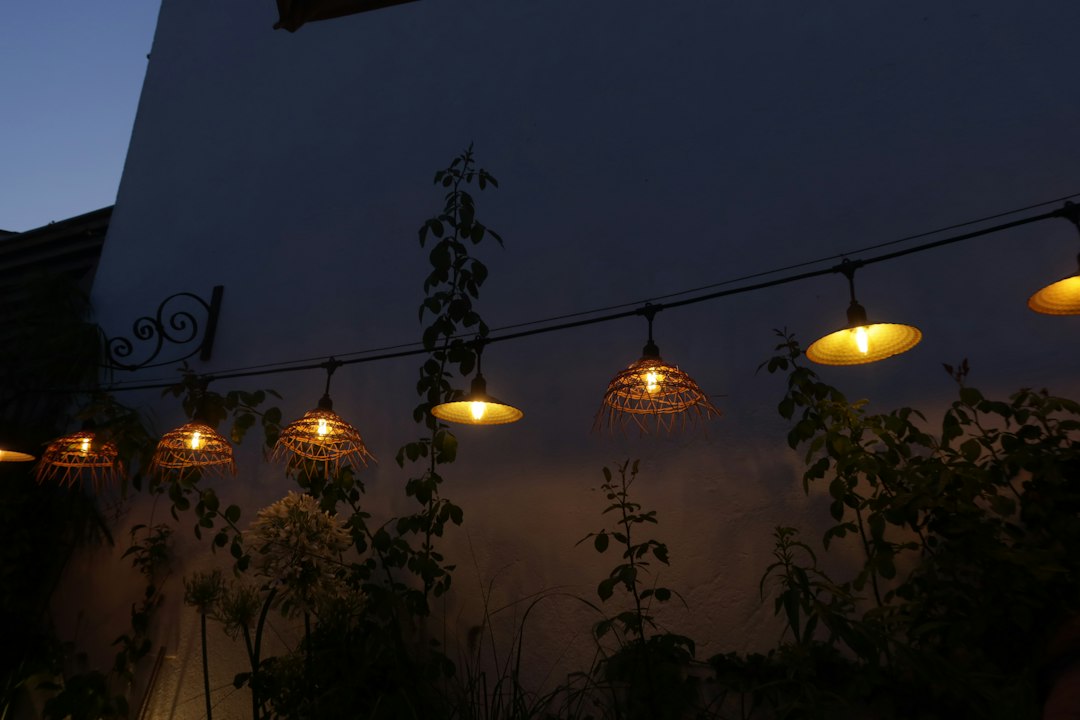
Unveiling the Covered Patio Glow: Why Wall Washers Work Wonders
If you’re looking to create a cozy, inviting atmosphere on your covered patio, a warm ambient wall washer light is often your best bet. It’s a fantastic way to spread a soft, even glow across a large surface, like a wall or ceiling, without harsh glares or obvious light sources. Instead of direct spotlights or overhead fixtures that can feel clinical or too bright, wall washers discreetly illuminate the architectural features and textures of your patio, making the space feel larger, more welcoming, and incredibly comfortable. Think of it as painting with light, creating a serene backdrop for relaxation or entertaining. This approach moves beyond simple illumination; it’s about crafting an experience for your outdoor living area.
The Magic of Wall Washing Explained
Wall washing isn’t just a fancy term; it’s a specific lighting technique with a real purpose. Unlike a spotlight that aims a narrow beam at a specific object, or a floodlight that broadly sprays light everywhere, a wall washer is designed to create a uniform, smooth layer of light across a vertical surface. The goal is to minimize shadows and hot spots, effectively “washing” the wall with light. For a covered patio, this means you can highlight the texture of stone, wood, or stucco, or simply create a consistent, soft background illumination that enhances the overall mood.
How Wall Washers Differ from Other Fixtures
To truly appreciate the wall washer, it helps to understand how it stands apart from its lighting cousins. Imagine you have a beautiful stone wall on your patio. A spotlight might pick out a single interesting rock, leaving the rest in relative darkness. A floodlight would blast the entire wall, potentially creating glare and not really emphasizing any particular feature. A wall washer, however, would gently bathe the entire surface, showcasing the natural variations and textures of the stone without drawing attention to the fixture itself. The light source is typically mounted closer to the surface it’s illuminating, often at the top or bottom, and uses diffusers or specific beam angles to achieve that even spread. This distinct approach is crucial for achieving that desired ambient glow rather than mere illumination.
The Science Behind Even Light Distribution
Achieving that seamless wash isn’t accidental; it’s a result of careful design. Wall washer fixtures typically employ a few key elements. First, the light source itself often has a wider beam angle, or multiple LEDs strategically placed. Second, internal reflectors or lenses are engineered to spread the light evenly along the target surface. Third, the distance from the fixture to the wall plays a significant role. If a fixture is too close, you’ll get a bright strip at the top and then a sharp fall-off. If it’s too far, the light will be too dispersed and lose its washing effect. Manufacturers design these fixtures with specific mounting recommendations to ensure optimal light distribution. For a covered patio, this means considering the height of your patio walls and the overhang of the roof when selecting and installing your wall washers. The goal is to avoid scalloping (the repetitive half-moon patterns often seen with poorly placed downlights) and instead achieve a smooth, uninterrupted layer of light.
Why Warm Ambient Light Matters for Patios
When we talk about “warm ambient” light, we’re not just being poetic; we’re referring to specific characteristics of light that profoundly impact human perception and comfort. For a covered patio, this choice is paramount to creating a truly inviting and relaxing outdoor extension of your home. The right light temperature and intensity can transform a functional space into a sanctuary.
Understanding Color Temperature (CCT)
Color Temperature, measured in Kelvin (K), describes the hue of the light emitted by a source. Lower Kelvin values (e.g., 2200K-3000K) produce a “warm” light, reminiscent of incandescent bulbs or candlelight – think soft yellows and oranges. Higher Kelvin values (e.g., 4000K-6500K) produce “cool” light, which appears bluer or whiter, similar to daylight or fluorescent office lighting.
For a covered patio, warm ambient light (typically 2700K to 3000K) is almost always preferred. This range evokes feelings of coziness, intimacy, and relaxation. It’s the kind of light that makes people want to linger, to converse, and to unwind. Cooler temperatures, while excellent for task lighting or highly functional areas, can feel sterile or harsh in a leisure space like a patio. The human eye finds warm light more comforting in low-light settings, which is often the case on a patio in the evening. It helps to set a mood that’s congruent with outdoor entertaining or quiet reflection, rather than one that suggests a workspace.
The Psychological Impact of Warm Light
Beyond just looking nice, warm light has a genuine psychological effect on us. It promotes a sense of well-being and reduces eye strain. Our bodies are naturally attuned to the shift from bright, cool daylight to the warmer, softer light of dusk and evening. Introducing warm artificial light mimics this natural cycle, helping us to transition into a more relaxed state. It can make a space feel more enclosed and intimate, which is perfect for a patio where you want to feel sheltered and secure. In contrast, cool light can sometimes increase alertness and even anxiety in certain contexts, which is the opposite of what you want for an evening retreat. The rich, golden tones of warm light also tend to enhance natural materials like wood, stone, and foliage, making them appear richer and more vibrant, adding to the aesthetic appeal of your patio.
Creating an Inviting Ambiance
“Ambiance” is all about the character and atmosphere of a place. Warm ambient wall washing is a master key to unlocking the best possible ambiance for your covered patio. It creates a soft, diffused glow that minimizes harsh shadows and bright spots, which can be distracting. Instead, the light embraces the entire space, making it feel cohesive and harmonious. This uniform, gentle illumination allows other design elements – furniture, plants, decor – to stand out without being directly spotlighted. It provides enough light for comfort and navigation, but not so much that it feels overwhelming or ruins the natural transition from day to night. It encourages conversation and relaxation, setting the stage for memorable evenings outdoors. The light essentially becomes part of the architecture, an invisible layer that enhances the comfort and beauty of the entire space.
Choosing the Right Wall Washer Fixture
Selecting the ideal wall washer fixture for your covered patio involves more than just picking something that looks good. You need to consider practical aspects like materials, power source, and dimming capabilities to ensure it meets both your aesthetic desires and functional needs. Making an informed decision here will directly impact the longevity and effectiveness of your lighting solution.
Material Durability and Weather Resistance
Your covered patio, while protected from direct rain and harsh sun, is still an outdoor environment. This means any lighting fixture you choose must be built to withstand temperature fluctuations, humidity, and general outdoor wear and tear. Look for fixtures made from robust materials like powder-coated aluminum, stainless steel, or high-grade composites. These materials resist corrosion, rust, and fading, ensuring your lights look good and perform well for years to come.
Crucially, check the Ingress Protection (IP) rating. For covered patios, you’ll generally want a fixture with an IP rating of at least IP44, which protects against solid objects larger than 1mm and splashing water from any direction. If your patio is more exposed or prone to condensation, an IP65 rating (dust-tight and protected against water jets) would offer even greater peace of mind. Investing in durable, weather-resistant fixtures might cost a little more upfront, but it saves you time, money, and hassle in the long run by avoiding frequent replacements or maintenance.
Powering Your Patio Glow: Wired vs. Solar
The decision between wired and solar power for your wall washers largely depends on your patio’s existing infrastructure and your appetite for installation complexity.
Wired Solutions
Wired wall washers offer consistent, reliable power and typically greater brightness. They are connected directly to your home’s electrical system, often via low-voltage wiring (12V or 24V) with a transformer, or standard line voltage (120V).
- Pros: Brighter output, consistent performance regardless of sunlight, easy integration with smart home systems and dimmer switches.
- Cons: Requires electrical wiring, which can be more complex and costly to install, especially if no existing outdoor outlets or conduits are available. Safety considerations during installation are also higher.
For a new build or a major patio renovation, running dedicated wiring for wall washers is often the preferred, albeit more involved, option. It ensures a powerful, stable light source that you can depend on every evening.
Solar Solutions
Solar-powered wall washers are an attractive option for their ease of installation and eco-friendliness. They typically have a small solar panel that charges an internal battery during the day, then automatically illuminate at night.
- Pros: No wiring required, easy DIY installation, zero electricity cost, environmentally friendly.
- Cons: Brightness can be lower and inconsistent depending on sun exposure, battery life can degrade over time, performance is dependent on available sunlight (less effective on cloudy days or in shaded areas).
Solar wall washers are great for existing patios where running wires is impractical or expensive, or if you prefer a truly off-grid solution. However, manage your expectations regarding their intensity and duration of light compared to wired alternatives. They are often better for supplementary, very soft ambient light rather than primary illumination.
Dimming Capabilities and Smart Features
To truly nail that “warm ambient glow,” flexibility is key. Dimming capabilities are essential for tailoring the light output to the specific mood or activity. A full-brightness setting might be useful for cleaning or setting up, while a very low, soft glow is perfect for late-night conversations. Look for fixtures that are explicitly “dimmable” and compatible with the type of dimmer switch you plan to use (e.g., ELV, MLV, 0-10V, or PWM for LED systems).
Beyond basic dimming, contemporary wall washers often incorporate smart features. These can include:
- Remote Control/App Control: Adjust brightness and sometimes even color temperature (if CCT tunable) from your smartphone or a dedicated remote.
- Scheduling: Set timers for lights to turn on and off automatically, or to dim at certain times.
- Integration with Smart Home Systems: Connect to platforms like Google Home, Amazon Alexa, or Apple HomeKit for voice control and integration with other smart devices.
- Motion Sensors/Dusk-to-Dawn Sensors: While less common for continuous ambient lighting, some wall washers can include these for added security or convenience, switching on only when needed.
These smart features significantly enhance the user experience, allowing you to effortlessly fine-tune your patio’s atmosphere with a tap or a voice command, making your outdoor space truly responsive to your needs.
Installation and Placement Strategies
Effective wall washing isn’t just about the fixture; it’s heavily dependent on how and where you install it. Proper planning and execution of placement can make the difference between a stunning, uniform glow and a patchy, uninspiring light source. Even under a covered patio, the nuances of mounting height, spacing, and beam angle are critical.
Optimal Mounting Height
The height at which you mount your wall washer fixtures is one of the most critical factors. Generally, for an even wash from top to bottom, fixtures should be mounted relatively close to the wall you’re illuminating, typically within 12 to 24 inches of the top edge of the wall or the underside of the ceiling/beam if mounting upwards.
- For downward washing: If you’re mounting fixtures on a ceiling or beam to wash the wall below, the closer the fixture is to the wall, the more intense the light will be at the top and the quicker it will dissipate down the wall. To achieve a more even spread down the entire wall surface, fixtures should be positioned slightly further away from the wall. A good rule of thumb is to mount the fixture at a distance from the wall that is roughly one-third to one-half of the height of the wall section you want to wash. For example, if you want to wash 6 feet down a wall, mount the fixture 2-3 feet away from the wall. However, covered patios often have limited space for this, so compromising by mounting them within a foot of the wall and relying on wider beam angles from the fixture is often the practical approach.
- For upward washing (graze lighting): If you’re mounting fixtures near the base of the wall to project light upwards, they should be very close to the wall, often within 6-12 inches. This technique, sometimes called “graze lighting,” is excellent for highlighting texture but can create stronger shadows and less uniform ambiance than a downward wash. For general ambient glow, downward washing is usually preferred.
Experimentation, perhaps with a temporary setup before final installation, can be very helpful to find the sweet spot for your specific patio dimensions and desired effect.
Spacing Between Fixtures
Once you’ve determined the optimal mounting height and distance from the wall, the next step is to figure out the spacing between individual wall washer fixtures. The goal is to ensure continuous, overlapping light fields that eliminate dark spots or “scalloping” (the undesirable half-moon patterns).
A common guideline for spacing is that the distance between fixtures should be roughly equal to the distance from the fixture to the wall, or slightly less. For instance, if your fixture is 18 inches from the wall, space the next fixture 18 inches down the wall, or a bit closer, say 16 inches. Many manufacturers provide recommended spacing guidelines for their specific fixtures, often tied to the beam angle of the light.
- Narrow Beam Angles: If your fixtures have a relatively narrow beam angle, you’ll need to space them closer together to avoid dark gaps.
- Wide Beam Angles: Fixtures with wider beam angles allow for greater spacing, as their light output covers a larger area.
The overall length of the wall you’re washing will also influence your spacing strategy. For very long walls, consistency is key, so precise, even spacing is paramount. Consider the spread of light from each fixture and aim for an overlap of about 20-30% of the light beam to ensure smooth transitions between fixtures.
Managing Beam Angles and Light Spread
The beam angle of a wall washer dictates how wide or narrow the light projects from the fixture. For ambient wall washing, you generally want a wider beam angle to achieve that smooth, expansive glow.
- Wide Beam (e.g., 60-90 degrees): Ideal for general wall washing, providing a broad and even distribution of light across the surface. This is typically what you’re looking for to create a soft, ambient effect on a covered patio.
- Medium Beam (e.g., 30-50 degrees): Can be used for wall washing if spaced appropriately, but might be better for highlighting specific sections or textures rather than an overall wash.
- Narrow Beam (e.g., 10-25 degrees): More akin to a spotlight or “graze” light, excellent for emphasizing texture or architectural details very close to the fixture, but not suitable for a broad ambient wash as it creates distinct streaks of light.
When choosing a fixture, ensure its beam angle is appropriate for the scale of your patio wall and the effect you desire. Some advanced fixtures offer adjustable beam angles, providing greater flexibility after installation. The goal is to “paint” the wall with light, ensuring the light reaches from one end of your intended area to the other, without noticeable gaps or overly bright spots. Remember, the light should subtly enhance the space, not dominate it.
Maintenance and Longevity Tips
Once your contemporary warm ambient wall washer lights are installed and glowing beautifully on your covered patio, the last thing you want is for them to falter. Proper maintenance isn’t just about keeping them clean; it’s about extending their lifespan, preserving their aesthetic appeal, and ensuring consistent performance. A little attention goes a long way in protecting your investment and keeping that inviting glow alive.
Routine Cleaning for Optimal Performance
Even under a covered patio, dust, pollen, spiderwebs, and sometimes even splashing from rain or drinks can accumulate on your light fixtures. This build-up doesn’t just look unsightly; it can significantly diminish the light output and even affect the color temperature of the emitted light.
- Frequency: Aim to clean your wall washers every few months, or more frequently if your patio is particularly exposed to environmental debris.
- Method:
- Safety First: Always turn off the power to the circuit before cleaning any electrical fixture. If they are solar-powered, remove the battery or cover the solar panel.
- Gentle Wiping: Use a soft, damp cloth (microfiber is excellent) to wipe down the exterior of the fixture, paying special attention to the light-emitting surface (lens or diffuser).
- Mild Soap (Optional): For stubborn grime, a very mild soap solution (like diluted dish soap) can be used, but ensure no water or soap solution enters the internal components of the fixture.
- Dry Thoroughly: Finish by wiping dry with a clean, soft cloth to prevent water spots, especially on metal finishes.
- Check for Obstructions: While cleaning, quickly check for any leaves, insects, or other debris that might be blocking the light output or cooling vents.
Regular cleaning not only keeps your lights looking pristine but also ensures maximum light transmission, allowing your wall washers to perform at their best.
Checking for Wear and Tear
Outdoor fixtures, despite their robust construction, are still subject to wear and tear from environmental factors. A periodic inspection can help you catch minor issues before they become major problems.
- Visual Inspection (Quarterly):
- Housing: Look for any cracks, dents, or signs of corrosion on the fixture housing. Even small breaches can compromise the IP rating and allow moisture ingress.
- Mounting Hardware: Check that all screws, brackets, and mounting plates are secure and show no signs of rust or loosening. Vibrations or shifting structures can sometimes affect these.
- Wiring (if visible): If any wiring is exposed (though ideally, it should be concealed and protected), inspect it for fraying, cracking insulation, or chew marks from pests.
- Seals/Gaskets: Many outdoor fixtures use rubber gaskets to seal against moisture. Ensure these are intact and pliable, not brittle or cracked.
- Lenses/Diffusers: Beyond cleanliness, look for any hazing, yellowing, or significant scratches that might impede light output or alter its quality.
- Performance Check: Occasionally turn on your lights during the day (if dimmers allow) or observe them closely at night. Are all fixtures emitting light? Is the brightness consistent across all units? Are there any flickering lights or changes in color temperature? These can be early indicators of a failing component or a loose connection.
Addressing these small issues promptly can prevent a complete fixture failure and maintain the cohesive look of your patio lighting.
Protecting Your Investment: Best Practices
Beyond cleaning and inspection, adopting a few best practices can significantly contribute to the long-term health of your wall washers.
- Proper Electrical Installation: Ensure your initial installation was done by a qualified electrician, especially for wired systems. Correct voltage, grounding, and surge protection are fundamental to longevity. An improperly wired system can lead to premature failure of LED drivers or chips.
- Surge Protection: Power surges, even minor ones, can be detrimental to LED electronics. Consider incorporating whole-home surge protectors or specific surge protection for your outdoor lighting circuit.
- Ventilation: While most fixtures are sealed, some rely on passive cooling. Ensure that nothing is inadvertently blocking any heat dissipation fins or surfaces on the fixture, as overheating is a primary cause of LED lifespan reduction.
- Avoid Harsh Chemicals: When cleaning, stick to mild solutions. Abrasive cleaners or strong solvents can damage the finish, degrade seals, or cloud plastic lenses.
- Consider Winterization (if applicable): In extremely cold climates, while most outdoor LEDs are robust, ensuring components like solar panels or battery packs (for solar versions) are not exposed to prolonged, extreme conditions beyond their operating range can help. For wired units, simply ensuring connections are sealed is key.
- Manufacturer Guidelines: Always refer to the specific maintenance recommendations provided by the fixture manufacturer. They know their product best and may have unique tips or warnings.
By being proactive with maintenance and following these guidelines, you’ll ensure your warm ambient wall washers continue to cast their enchanting glow, making your covered patio a welcoming haven for years to come.