

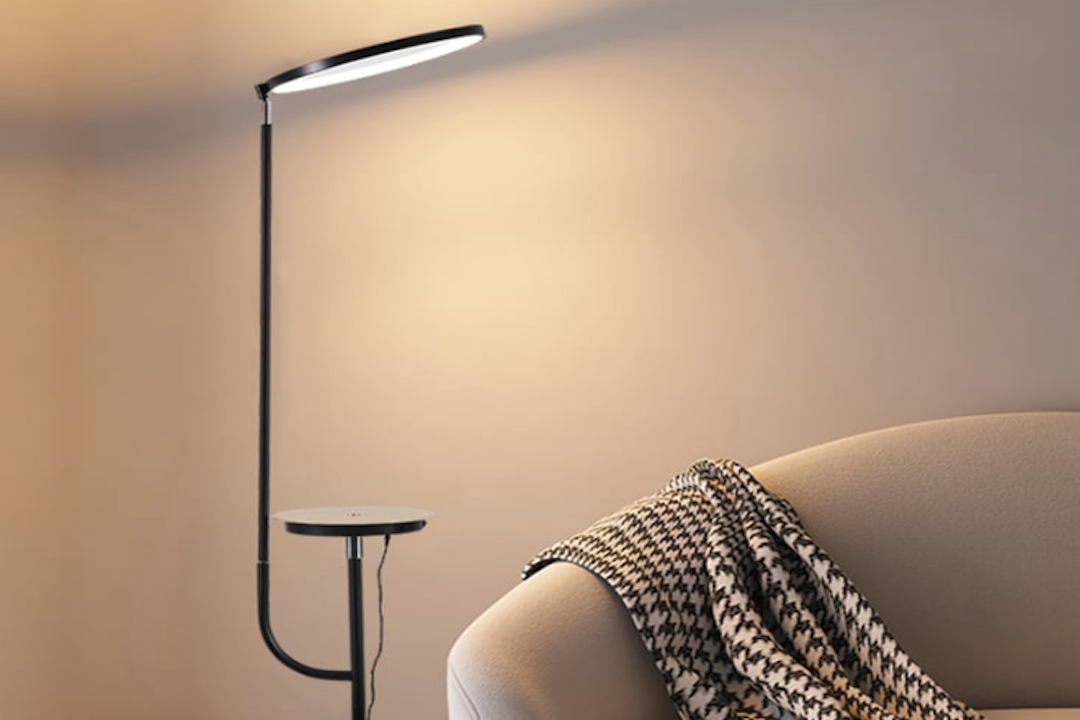
This article discusses LED uplighter floor lamps, their design, functionality, and applications in interior design.
An LED uplighter floor lamp Dkvdesign is a lighting fixture designed to direct light upwards towards the ceiling. This upward projection creates indirect illumination, which bounces off the ceiling and walls, diffusing light throughout a room. The primary source of light emission comes from a cluster of Light Emitting Diodes (LEDs), a semiconductor device that emits light when an electric current passes through it. Unlike traditional incandescent bulbs, LEDs offer greater energy efficiency, longer lifespans, and a wider range of color temperature options. The design of these lamps typically features a tall, slender stem and a head that houses the LED array, often with a diffuser to soften the light. The base provides stability. The appeal of uplighter floor lamps lies in their ability to provide ambient and accent lighting without creating harsh shadows or glare, contributing to a more comfortable and visually appealing environment. Their unobtrusive design also makes them a practical choice for various room layouts.
The Anatomy of an LED Uplighter
The construction of an LED uplighter floor lamp can be broken down into several key components, each contributing to its overall function and aesthetic.
Base and Stem: The Foundation
The base of an LED uplighter is crucial for its stability. It is typically made from materials such as metal (steel, aluminum, brass) or sometimes stone, engineered to provide a sufficient counterbalance to the height of the lamp. The weight and diameter of the base are designed in proportion to the lamp’s height and the overall lamp structure to prevent tipping. The stem, which rises vertically from the base, is usually constructed from similar materials. Its form can vary from a simple, straight column to more decorative or sculptural shapes, influencing the overall aesthetic of the lamp and how it integrates into the room’s decor. Some stems may incorporate elements for cable management, concealing the power cord and maintaining a clean visual line.
Light Source: The LED Array
The heart of the uplighter is the LED array. Modern LED uplighters utilize multiple LEDs arranged in a specific configuration to achieve desired light output and distribution. These LEDs are typically high-efficiency units, designed for longevity and minimal heat generation. The arrangement of the LEDs within the lamp head can vary, with some featuring a single, powerful array, while others employ multiple smaller LEDs to create a more diffused or uniform beam. The color temperature of the LEDs is a significant factor in the mood and ambiance a lamp can create.
LED Types and Characteristics
Various types of LEDs are employed in uplighter floor lamps, each with distinct characteristics.
Surface-Mounted Diodes (SMDs)
Surface-Mounted Diodes are a common choice due to their small size and versatility. They are soldered directly onto a printed circuit board (PCB). SMDs offer good brightness and can be arranged in dense arrays. Their efficiency and ability to be manufactured in different color outputs make them a popular option for general lighting applications.
High-Power LEDs
High-power LEDs are designed to emit a larger amount of light from a single diode. They are often used in applications requiring more intense illumination. In uplighter lamps, high-power LEDs can be employed to achieve greater brightness or to focus the light towards a specific area of the ceiling. They typically require more robust heat dissipation mechanisms to maintain optimal performance and lifespan.
COB (Chip-on-Board) LEDs
Chip-on-Board technology involves mounting multiple LED chips directly onto a substrate. This results in a very compact and powerful light source. COB LEDs offer excellent light uniformity and color consistency. For uplighter lamps, COB technology can provide a smooth, broad beam of light, ideal for creating a diffused, ambient effect.
The Lamp Head and Diffuser: Shaping the Light
The lamp head is the housing that contains the LED array. Its design is critical for directing the light upwards and, in some cases, for aesthetic purposes. The internal structure of the head is engineered to optimize heat dissipation from the LEDs, often incorporating heat sinks. Many uplighter lamps feature a diffuser, which is a translucent material placed in front of the LEDs.
Function of the Diffuser
The diffuser serves to soften the direct light emitted by the LEDs, preventing harsh glare and creating a more pleasant, diffused illumination. Without a diffuser, the individual points of light from the LEDs might be visible, leading to an less uniform and potentially uncomfortable lighting experience. Materials used for diffusers include frosted glass, acrylic, or silicone. The degree of diffusion can vary, impacting the spread and intensity of the light.
Illumination Principles of Uplighters
The efficacy of an LED uplighter floor lamp is rooted in fundamental principles of light diffusion and ambient lighting. Instead of bathing a space with direct beams, these lamps act as silent architects of light, sculpting the atmosphere of a room by leveraging the reflective surfaces around them.
Indirect Lighting and Its Advantages
Indirect lighting, the cornerstone of uplighter functionality, involves bouncing light off ceilings and walls. This method of illumination offers several distinct advantages over direct lighting.
Creating Ambient Light
The primary benefit of indirect lighting is its ability to generate ambient light. Ambient light is the general, overall illumination of a space. By reflecting light from the ceiling, an uplighter fills the room with a soft, even glow, reducing the stark contrast often found with direct light sources. This creates a more comfortable and inviting atmosphere, ideal for relaxation and general activities. Think of it as the dawn breaking over a landscape; the light is pervasive and gentle, not a sharp, focused beam.
Reducing Glare and Eyestrain
Direct light sources can cause glare, which is the sensation produced by luminance entering the eye and causing discomfort, annoyance, or a reduction in visual performance. Uplighters, by directing light upwards, minimize the potential for direct glare. The light that reaches the occupant is already softened and diffused, significantly reducing eyestrain, especially during extended periods of activity or when reading. This indirect approach is akin to working under natural daylight filtering through a window; it’s bright enough for tasks but doesn’t assault your vision.
Enhancing Room Perception
Indirect lighting can also influence the perception of a room’s size and architecture. By illuminating the ceiling and upper walls, uplighters draw the eye upwards, creating a sense of height and spaciousness. This can make smaller rooms feel larger and more open. The diffusion of light across surfaces can also highlight architectural features and textures, adding depth and visual interest to the space without the need for additional decorative elements.
Light Distribution and Beam Angle
The way light is distributed from an LED uplighter is determined by the design of the LED array and the lamp head. The beam angle refers to the extent of the cone of light emitted from a source.
Wide vs. Narrow Beam Angles
LED uplighters can feature different beam angles. A wider beam angle will spread the light over a larger area of the ceiling, creating a more diffused and general illumination. A narrower beam angle will concentrate the light into a more focused pool, which can be effective for accentuating specific ceiling features or creating brighter zones. The choice between a wide and narrow beam angle depends on the desired lighting effect and the characteristics of the room.
Uniformity of Light
The goal of most uplighter designs is to achieve a uniform distribution of light across the ceiling. This means avoiding bright spots or dark patches. The arrangement and type of LEDs, as well as the presence and design of a diffuser, all contribute to the uniformity of the illuminated surface. A well-designed uplighter will create a smooth, consistent wash of light, preventing the ceiling from appearing uneven.
Design and Aesthetics for Various Interiors
The aesthetic versatility of LED uplighter floor lamps makes them adaptable to a wide range of interior design styles. Their often minimalist design allows them to blend seamlessly into diverse decor schemes, acting as functional elements that also contribute to the overall visual harmony of a space.
Modern and Minimalist Spaces
In modern and minimalist interiors, characterized by clean lines, neutral color palettes, and uncluttered surfaces, LED uplighters can be a natural fit. Their simple forms and unobtrusive nature complement the aesthetic.
Sleek and Unobtrusive Forms
Many LED uplighters are designed with slender profiles and smooth finishes, aligning with the minimalist ethos. They can act as a subtle addition of light without drawing undue attention to themselves. The focus remains on the illuminated space rather than the fixture itself, reinforcing the principles of simplicity and functionality.
Integrating with Architectural Features
In contemporary homes with exposed beams or unique architectural details, an uplighter can be strategically placed to highlight these elements. The upward light can wash over textures, casting subtle shadows that add dimension and emphasize the raw beauty of the materials.
Traditional and Classic Interiors
While often associated with modern design, LED uplighters can also find a place in more traditional settings, albeit with careful consideration of material and form.
Combining Form and Function
In a more traditional room, an uplighter with a brushed brass or antique bronze finish, or one with a slightly more ornate stem, can provide a touch of updated functionality without clashing with existing decor. The indirect lighting still serves the purpose of creating a warm and inviting ambiance, which is a key characteristic of classic interior design.
Complementing Existing Lighting Schemes
Uplighters can serve as excellent supplementary lighting in traditional rooms that may already feature chandeliers or table lamps. They can fill in any darker corners and provide a softer, more diffused light that complements the more decorative primary light sources.
Eclectic and Transitional Styles
For interiors that blend elements from different eras and styles, LED uplighters offer a flexible lighting solution.
Adding a Contemporary Touch
In an eclectic space, an LED uplighter can act as a modern counterpoint to vintage furniture or antique pieces. Its sleek design provides a visual balance, preventing the space from feeling dated. The upward illumination can also subtly highlight the texture and richness of an antique rug or a piece of artwork.
Versatility in Placement
The portability and straightforward operation of floor lamps make them ideal for transitional spaces where furniture arrangement might change. An uplighter can be easily moved to suit evolving needs, acting as a dependable source of ambient light wherever it is placed.
Applications and Placement Strategies
The strategic placement of LED uplighter floor lamps can significantly impact the atmosphere and perceived size of a room. Their ability to create diffused, ambient light makes them suitable for a variety of applications and locations.
Living Room Ambiance
In a living room, the primary goal is often to create a comfortable and inviting space for relaxation and socializing.
Creating a Cozy Reading Nook
Position an uplighter beside an armchair or sofa to create a dedicated reading nook. The diffused light provides sufficient illumination for reading without causing eyestrain, and the upward light contributes to a relaxed ambiance. The lamp can act as a silent sentinel, guarding the tranquility of your reading time.
Enhancing Wall Features and Artwork
Place an uplighter to cast light upwards onto a textured wall or a piece of artwork. This accent lighting can draw attention to these features, adding visual interest and depth to the room. The interplay of light and shadow can transform a plain wall into a dynamic canvas.
Bedroom Serenity
Bedrooms are spaces for rest and rejuvenation, and the lighting should reflect this.
Soft, Diffused General Lighting
In a bedroom, an uplighter can provide a gentle, overall illumination that is less harsh than overhead lighting. This creates a more serene and calming atmosphere conducive to winding down. Imagine the lamp as a gentle moon, casting a soft glow that soothes and calves.
Task Lighting for Bedside Reading
Similar to the living room, an uplighter placed at the bedside can offer convenient task lighting for reading without disturbing a partner. The directional nature of the light can be adjusted to focus on the book while keeping the rest of the room softly lit.
Home Office Productivity and Comfort
In a home office, lighting plays a crucial role in maintaining focus and reducing fatigue.
Reducing Screen Glare
Positioning an uplighter behind your monitor can help to reduce the contrast between the bright screen and the darker surroundings. This indirect illumination can minimize glare and eyestrain, making long working hours more comfortable. The lamp acts as a buffer, softening the harsh edges of digital light.
Creating a Pleasant Working Environment
While task lighting is essential, ambient light from an uplighter can make the overall workspace more inviting and less sterile. This can contribute to a more positive and productive mindset. The lamp helps to paint the room with a gentle light, turning a functional space into an enjoyable one.
Energy Efficiency and Sustainability
LED technology is inherently more energy-efficient than traditional lighting sources, making LED uplighter floor lamps a more sustainable choice for home illumination.
The Energy Savings of LEDs
LEDs consume significantly less energy than incandescent or halogen bulbs to produce the same amount of light. This translates into lower electricity bills over the lifespan of the lamp.
Lower Wattage, Higher Lumen Output
LEDs are rated in lumens (lm), a measure of luminous flux, rather than watts (W), which measure power consumption. An LED bulb can produce a comparable or even higher lumen output to a higher-wattage incandescent bulb, while consuming a fraction of the energy. For example, a 10W LED can output as much light as a 60W incandescent bulb.
Extended Lifespan and Reduced Waste
LEDs have a considerably longer lifespan compared to traditional bulbs, often lasting tens of thousands of hours. This longevity means fewer replacements are needed, reducing the frequency of disposal and the associated waste. The extended lifespan also means less frequent maintenance and replacement at height, which can be a practical benefit.
Environmental Impact
The energy efficiency and longevity of LEDs contribute to a reduced environmental footprint.
Reduced Carbon Footprint
By consuming less electricity, LED lighting contributes to a lower demand for power generation, which in turn reduces greenhouse gas emissions associated with fossil fuel consumption. This is a significant step towards mitigating climate change.
Materials and Recycling Considerations
While LED technology is generally considered environmentally friendly, it is important to consider the materials used in the manufacturing of the lamps and the recyclability of their components. Many modern LED lamps are designed with recyclability in mind, and responsible disposal practices can further minimize their environmental impact. The journey of a lamp from creation to potential recycling is a cycle that benefits from mindful consideration.