

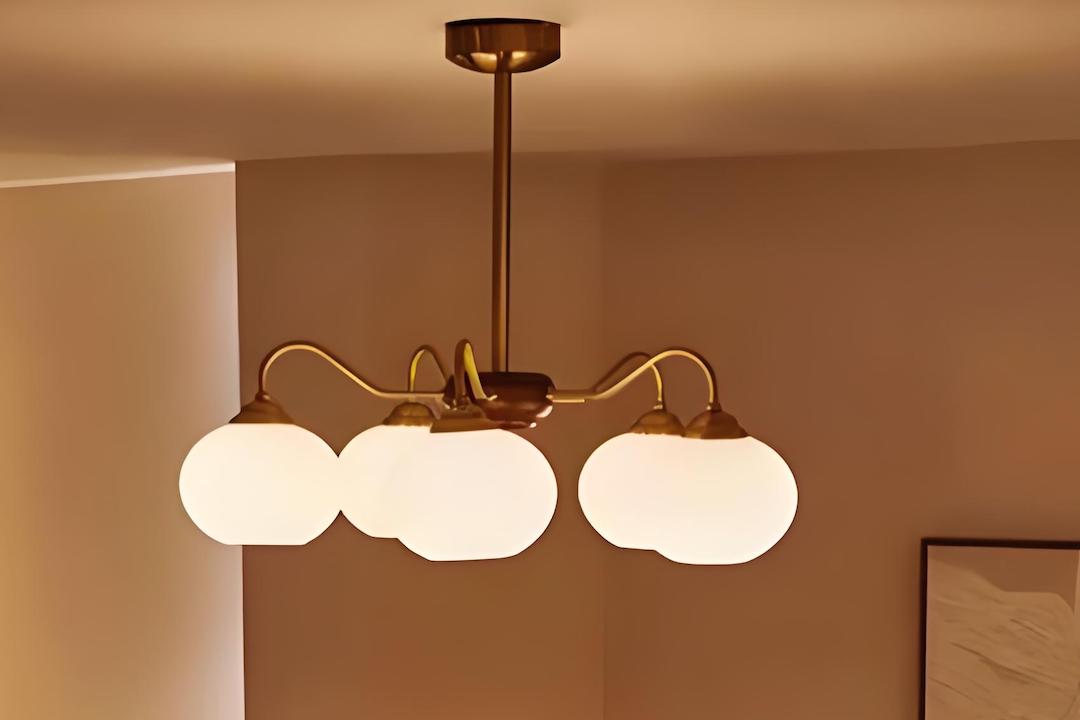
Multi-bulb cluster pendant lighting offers a versatile and impactful approach to illuminating interior spaces. This lighting design features multiple light sources, often of varying sizes, shapes, or finishes, suspended from a single canopy or point of attachment. The arrangement creates a tiered or cascading effect, drawing the eye and establishing a focal point. Functionally, these fixtures distribute light in a more nuanced manner than single pendants, allowing for targeted illumination and ambient glow.
The fundamental design of a multi-bulb cluster pendant Fohof is built around its collection of individual light sources. These are not simply multiple single pendants hung in close proximity, but rather a cohesive unit designed to work together visually and functionally. The core components include the canopy, the suspension system, and the bulbs themselves, each contributing to the overall aesthetic and performance.
The Canopy: The Foundation of the Arrangement
The canopy is the ceiling-mounted plate that conceals the electrical connections and anchors the entire fixture. For multi-bulb clusters, the canopy’s design is crucial. It can be a singular, larger plate from which multiple cords or rods descend, or it can be a more integrated system where the individual suspension elements emerge directly from a central point. The shape and finish of the canopy can range from simple circular discs to rectangular panels or even more artistic, sculptural forms. The canopy’s material, such as brushed nickel, matte black, or polished brass, often complements the finishes of the pendant bulbs, unifying the fixture’s appearance.
Suspension Systems: Delivering the Light
The method by which the bulbs are suspended is a defining characteristic of cluster pendants. This can involve:
Flexible Cords
These are common, offering significant flexibility in how the bulbs are arranged. Cords allow for varying drop lengths, enabling you to create a dynamic, staggered look. The material of the cord, whether fabric-wrapped or a standard electrical wire, can also contribute to the overall style. Adjustable cord lengths are a standard feature in many models, providing the user with control over the final composition.
Rigid Rods
For a more structured and geometric arrangement, rigid rods are employed. These provide a precise and symmetrical drop for each bulb. Rods are typically made from metal and can be a single rod with multiple branches or multiple independent rods. This system lends itself to designs where a sense of order and architectural prominence is desired.
Combined Systems
Some designs cleverly integrate both cords and rods, offering a blend of fluidity and structure. This allows for creative arrangements where some bulbs hang at uniform depths while others are allowed to vary. The interplay between these different suspension methods can create a visually complex and engaging lighting piece.
The Bulbs: The Heart of the Illumination
The individual light sources within a cluster pendant are selected for their aesthetic appeal as much as their light output. The variety available allows for a wide range of decorative effects.
Bulb Shapes and Sizes
Cluster pendants can feature bulbs in identical shapes and sizes, creating a uniform effect. Alternatively, they can incorporate a mix of globes, cones, cylinders, or even more abstract forms. The variance in size adds another layer of visual interest, with larger bulbs often serving as a central feature or anchor, while smaller bulbs create a more delicate feel.
Material and Finish of Bulbs
The material of the bulb’s shade, if present, or the glass itself plays a significant role. Frosted glass diffuses light for a softer glow, while clear glass exposes the filament for a more industrial or vintage aesthetic. Metallic finishes, such as copper or brass, can add warmth and reflect light in interesting ways. Ceramic or fabric shades offer further textural and color possibilities.
Defining the Aesthetic: Styles of Cluster Pendants
The versatility of multi-bulb cluster pendant lighting extends to its ability to complement a broad spectrum of interior design styles, from the minimalist to the maximalist. The choice of bulbs, suspension system, and overall configuration dictates the aesthetic impression it will make.
Modern and Contemporary Designs
Modern cluster pendants often feature clean lines and a minimalist approach. Think geometric shapes, metallic finishes like chrome or brushed steel, and clear or frosted glass bulbs. The arrangement of the bulbs tends to be precise, with equal spacing or deliberate asymmetry. These fixtures act as sculptural elements, adding a touch of sophistication without being overly ornate. A typical contemporary arrangement might feature a series of identical cylindrical bulbs suspended at varying heights from a linear canopy.
Industrial and Vintage Aesthetics
For those leaning towards an industrial or vintage feel, cluster pendants often incorporate exposed Edison-style bulbs with visible filaments. The suspension systems might consist of dark metal conduits or woven fabric cords. Barn-style shades, cage elements, or raw metal finishes contribute to this aesthetic. The arrangement can be more haphazard, mimicking the functional lighting of factories or workshops, or it can be a carefully curated grouping of mismatched antique-style fixtures.
Bohemian and Eclectic Styles
Bohemian and eclectic interiors can embrace the playful and diverse nature of cluster pendants. This style allows for a more adventurous mix of bulb shapes, colors, and materials. Hand-blown glass bulbs in vibrant hues, intricately patterned shades, or even natural elements incorporated into the design can be found. The arrangement might be intentionally chaotic, creating a vibrant and artistic statement piece that reflects a personality rich in varied influences.
Scandinavian and Mid-Century Modern Influences
Scandinavian designs often favor natural materials, simplicity, and functionality. Cluster pendants in this style might feature light wood accents, matte white or grey finishes, and simple globe-shaped bulbs. The arrangement would likely be balanced and uncluttered. Mid-century modern cluster pendants often showcase organic shapes, a wider color palette, and a playful yet sophisticated feel, perhaps incorporating glass in warm tones or brass elements.
Strategic Placement: Where to Install Cluster Pendants
The optimal placement of multi-bulb cluster pendant lighting is critical to maximizing its visual impact and functional utility. Consider the scale of the space and the purpose of the illumination when deciding on a location. Like a chef carefully placing ingredients to create a balanced dish, the placement of your light fixture can elevate the entire room.
Over Dining Tables and Kitchen Islands
This is a classic and highly effective placement for cluster pendants. The multiple bulbs provide ample light for tasks like food preparation and dining, and the fixture becomes a central visual anchor for the dining area or kitchen. A cluster pendant suspended over a dining table can define the space and create an intimate atmosphere for meals. For kitchen islands, it offers both task lighting for cooking and a stylish focal point for gathering. The drop height is important here; the bottom of the lowest bulb should generally be 30-36 inches above the surface of the table or island.
Entryways and Foyers
A well-chosen cluster pendant can make a striking first impression in an entryway or foyer. It sets the tone for the rest of the home and provides welcoming illumination. A larger, more dramatic cluster pendant can command attention, while a more understated design can offer subtle elegance. The height of the ceiling in an entryway is a key consideration; a taller ceiling can accommodate a longer, more elaborate fixture.
Living Areas and Lounges
In living rooms, cluster pendants can serve as ambient lighting or as a decorative element above a coffee table or seating area. The diffused light can create a cozy atmosphere. When used in a larger living space, a cluster of pendants can still define a specific zone, such as a reading nook or conversation area. Consider the scale of the room and the size of the furniture when selecting a fixture that won’t overpower the space.
Bedrooms and Alcoves
Within bedrooms, cluster pendants can offer diffused overhead light for general illumination or provide task lighting beside a bed, functioning as statement bedside lamps. Their visual appeal can add a touch of personality and elegance to a more personal space. Smaller clusters or those with adjustable heights can be particularly useful in smaller bedrooms or alcoves.
Benefits of Multi-Bulb Cluster Pendant Lighting
The appeal of multi-bulb cluster pendant lighting lies in its multifaceted advantages, extending beyond mere illumination. It’s not just about turning on a light; it’s about shaping an environment.
Enhanced Ambiance and Mood Creation
The layered nature of light produced by a cluster pendant allows for nuanced ambiance. Depending on the bulbs used, the fixture can cast a warm, inviting glow, create dramatic shadows, or provide bright, functional light. This ability to tailor the mood makes them exceptionally versatile for different activities and times of day. A cluster of frosted bulbs, for instance, will create a soft, diffused light perfect for relaxation, while clear bulbs with exposed filaments can lend a more energetic and dynamic feel.
Visual Interest and Focal Point
A multi-bulb cluster pendant is an inherently decorative element. Its unique arrangement and the interplay of light and shadow naturally draw the eye, serving as a significant focal point in any room. This can be particularly effective in rooms that lack architectural features or where a statement piece is desired. They act as a sculptural piece of art, illuminating the space while simultaneously enhancing its aesthetic appeal.
Layered and Versatile Illumination
Unlike a single, strong light source, cluster pendants offer a more distributed and adaptable form of lighting. The multiple bulbs can be positioned at different heights, allowing for light to reach various corners of a room and to be directed where needed. This ability to create layers of light—ambient, task, and accent—enhances the functionality and atmosphere of a space substantially. Imagine a single spotlight versus a constellation of smaller lights; the latter offers a much richer and more adaptable illumination.
Design Flexibility and Customization
The sheer variety of available bulbs, materials, and suspension configurations means that cluster pendants offer a high degree of design flexibility. Users can often customize the arrangement of bulbs, the drop lengths, and even the bulb types to create a fixture that perfectly suits their specific aesthetic and lighting needs. This allows for a personalized touch that can be difficult to achieve with more standard lighting options.
Space Definition and Zonal Lighting
In open-plan living areas, cluster pendants can effectively define different functional zones. A cluster hanging above a dining table, for instance, clearly delineates the dining area from the rest of the space. Similarly, a well-placed cluster over a kitchen island serves both a practical and spatial purpose. They act as beacons, subtly guiding the eye and indicating the function of different areas within a larger room.
Installation and Maintenance Considerations
While visually appealing, the installation and ongoing maintenance of multi-bulb cluster pendants require attention to ensure safety and longevity. Like tending to a garden, proper care ensures the fixture performs as intended and retains its beauty.
Professional Installation vs. DIY
Due to the electrical nature of the installation, professional installation is often recommended, especially for individuals without prior electrical experience. An electrician can ensure that the fixture is correctly wired, securely mounted, and meets all safety codes. Improper installation can lead to electrical hazards, damage to the fixture, or structural issues with the ceiling. A DIY approach is feasible for those with a solid understanding of electrical wiring and ceiling support.
Ensuring Adequate Ceiling Support
Multi-bulb cluster pendants, particularly larger or more elaborate designs, can be heavy. It is crucial to ensure that the ceiling is adequately reinforced to support the weight of the fixture. The electrical box should be rated for the weight of the fixture or a separate support brace should be installed. Failure to provide adequate support can result in the fixture detaching from the ceiling, posing a significant safety risk.
Bulb Replacement and Cleaning
Replacing bulbs in a cluster pendant may require a ladder and careful maneuvering, especially if the bulbs are suspended at different heights. Consider the accessibility of the bulbs when making your selection. Cleaning the bulbs and any shades or decorative elements is also important for maintaining the fixture’s appearance and light output. Dust and grime can dim the light and detract from the overall aesthetic. Using a soft, dry cloth or a feather duster is usually sufficient for regular cleaning. For more stubborn marks on glass or metal components, a mild soap solution with a soft cloth can be employed, followed by thorough drying.
Wiring and Electrical Safety
Always ensure that the wiring is done according to local electrical codes. If any frayed wires or damage to the electrical components are observed, the fixture should be disconnected from power immediately and inspected by a qualified electrician. Using the correct type of dimmer switch, if the fixture is designed to be dimmable, is also important for both functionality and electrical safety. Overloading circuits or using incompatible dimmer switches can lead to electrical issues.
Adjusting Drop Heights
Many cluster pendants allow for the adjustment of individual bulb drop heights. This provides an opportunity to fine-tune the visual composition of the fixture. When making adjustments, ensure that the cords or rods are securely fastened at the desired lengths to prevent them from slipping or creating an uneven appearance. This process of adjustment can be akin to a musician tuning their instrument, ensuring each element contributes harmonically to the overall effect.
The thoughtful selection and proper installation of multi-bulb cluster pendant lighting can transform a space, offering both functional illumination and significant decorative appeal. Its adaptable nature allows it to integrate seamlessly into diverse design schemes, becoming a cornerstone of a well-lit and aesthetically pleasing interior.