

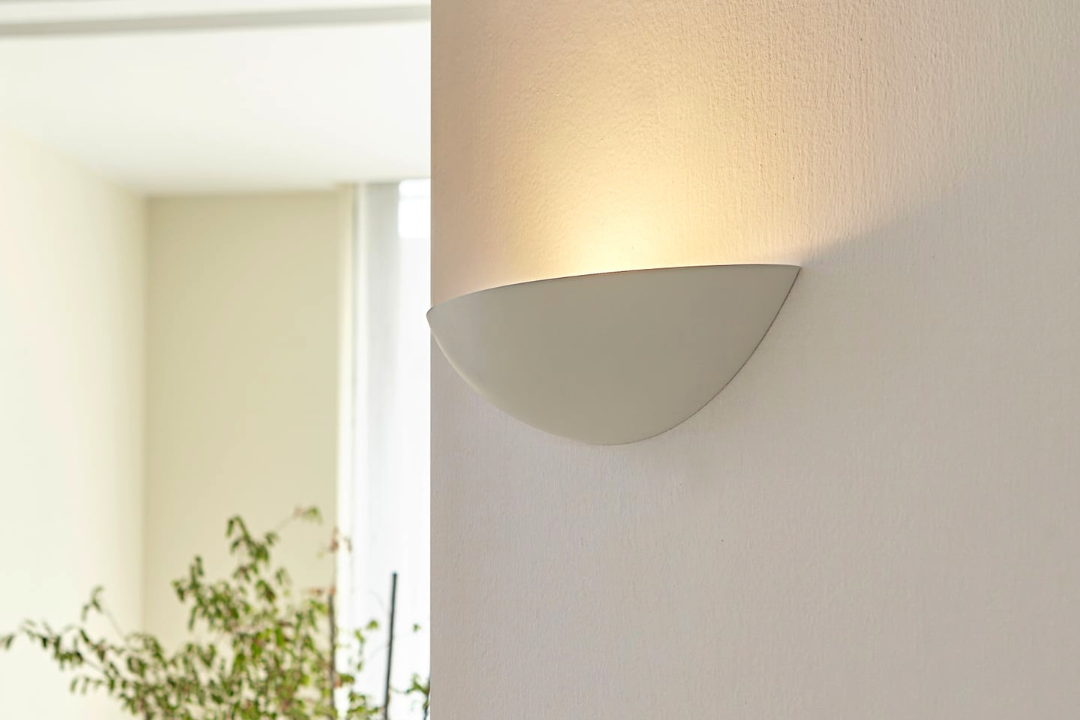
Are you looking to inject a calming, organic feel into your home without sacrificing a clean, uncluttered aesthetic? Then ‘soft minimalism’ might just be your new design crush, and curved plaster wall lamps are its effortlessly elegant poster child. Forget sharp edges and stark monochrome; soft minimalism embraces texture, gentle forms, and a soothing color palette, and these lamps are a perfect embodiment of that philosophy. They offer understated warmth and sophisticated illumination, providing a subtle yet impactful design statement that elevates any space.
Soft minimalism is an evolution of traditional minimalism, moving beyond the austere and often cold aesthetic that some find uninviting. It’s about creating a tranquil and inviting environment through thoughtful design choices, focusing on comfort, organic shapes, and natural materials.
The Core Principles
Instead of stark white walls and a lack of ornamentation, soft minimalism champions a more tactile and nuanced approach. Think muted tones, comforting textures like bouclé and linen, and furniture with gentle curves rather than rigid lines. It’s about creating spaces that feel breathable and serene, promoting well-being and a sense of calm.
Why It’s Gaining Popularity
In our increasingly fast-paced and digital world, there’s a growing desire for homes that act as sanctuaries. Soft minimalism speaks to this need by offering a design style that is both beautiful and functional, without overwhelming the senses. It’s an antidote to visual noise, providing a backdrop for relaxation and introspection.
The Allure of Curved Plaster Wall Lamps
When we talk about soft minimalism, curved plaster wall lamps Woyik are a standout feature that perfectly captures its essence. These aren’t just light fixtures; they’re sculptural elements that enhance the architectural integrity of a space.
Organic Forms and Textures
The beauty of these lamps lies in their inherent organic quality. The gentle curves mimic natural forms, evoking a sense of tranquility and flow. Plaster, as a material, adds another layer of sensory appeal. Its matte, slightly textured surface diffuses light beautifully, creating a soft, ambient glow rather than a harsh beam.
A Nod to Craftsmanship
Many plaster lamps are handcrafted, which adds a layer of authenticity and uniqueness. This artisanal quality aligns perfectly with soft minimalism’s appreciation for well-made, enduring pieces over mass-produced items. Each lamp can have subtle variations, making it a truly individual statement.
Versatility in Design
Despite their distinct look, these lamps are surprisingly versatile. They can complement a wide range of interior styles, from modern and contemporary to bohemian and even traditional, provided the overall aesthetic leans towards understated elegance.
Integrating Curved Plaster Wall Lamps into Your Home
So, you’re sold on the idea – now how do you actually incorporate these beauties into your living space? It’s all about thoughtful placement and understanding how they interact with the rest of your decor.
Key Placement Ideas
Consider these locations for maximum impact and functionality:
- Bedside Lighting: Instead of traditional table lamps that hog precious nightstand space, wall-mounted plaster lamps offer a clean, sophisticated alternative. They provide a soft, reading-friendly glow without clutter.
- Hallways and Entryways: These areas often benefit from ambient lighting that isn’t too bright. A series of curved plaster lamps can transform a bland hallway into an art gallery-like experience, guiding the eye and adding architectural interest.
- Living Room Accents: Position them strategically to highlight artwork, create a cozy reading nook, or simply add a sculptural element to a feature wall. They can beautifully frame a sofa or an accent chair.
- Bathroom Elegance: Imagine a pair flanking a mirror in a powder room or master bath. The diffused light creates a spa-like atmosphere, and the organic forms soften the often-hard surfaces found in bathrooms.
Pairing with Complementary Materials
To truly embrace the soft minimalist aesthetic, consider the materials around your plaster lamps:
- Warm Woods: Think light oaks, walnut, or even reclaimed wood. The natural grains and warm tones will harmonize beautifully with the plaster’s matte finish.
- Linen and Cotton: Soft furnishings in these materials will enhance the tactile quality of the space and contribute to the overall feeling of comfort.
- Stone and Concrete: Used sparingly and thoughtfully, these materials can add an earthy, grounded feel that complements the organic nature of the lamps.
- Ceramics and Earthenware: Vases, planters, or decorative objects in these materials will round out the natural, handcrafted vibe.
Color Palette Harmony
Stick to a neutral and muted color palette for walls and larger furniture pieces. Think off-whites, creams, soft grays, warm beiges, and subtle earthy tones like sage green or terracotta. This allows the lamps to stand out as sculptural elements while maintaining a relaxed and cohesive feel. The goal is not to have them shout for attention, but to seamlessly blend into a serene environment.
The Practical Side of Plaster Wall Lamps
Beyond their aesthetic appeal, there are practical considerations to keep in mind when choosing and installing curved plaster wall lamps.
Installation and Wiring
Most plaster wall lamps require professional installation as they are hardwired into your electrical system. This means concealing wires within the wall, which might be easier during a renovation or new build, but is certainly achievable in existing homes with the right electrician. Always prioritize safety and ensure proper installation for both functionality and longevity.
Durability and Maintenance
Plaster, while beautiful, is a delicate material.
- Careful Handling: During installation and cleaning, handle plaster lamps with care to avoid chipping or cracking.
- Cleaning: For regular cleaning, a soft, dry cloth or a feather duster is usually sufficient. For minor smudges, a very slightly damp cloth can be used, but avoid excessive moisture.
- Repairs: Small chips can often be repaired with plaster patching compound, though matching the original texture and color might take a bit of finesse.
Lighting Considerations
The primary function of any lamp is to provide light, and plaster lamps do this in a distinct way.
- Light Diffusion: Plaster naturally diffuses light beautifully, creating a soft, ambient glow. This is why they are often chosen for mood lighting rather than task lighting.
- Bulb Choice: The type of bulb you choose will significantly impact the light quality.
- Warm White LED: Opt for warm white LED bulbs (around 2700K-3000K) to enhance the cozy and inviting atmosphere.
- Dimmable Bulbs: Many plaster lamps benefit from dimmable bulbs and switches, allowing you to adjust the intensity to suit different moods and times of day.
- Bulb Shape: Consider vintage-style or decorative bulbs if the bulb itself is partially visible, as this can add another layer of aesthetic appeal.
- Light Direction: Pay attention to whether the lamp casts light upwards, downwards, or both. Up-lighting can make a room feel taller, while down-lighting can create a more intimate atmosphere. Many curved designs will offer a blend, often creating captivating light and shadow play on the wall itself.
Curating Your Soft Minimalist Space
Adopting soft minimalism and incorporating these lamps is about more than just buying new items; it’s about a holistic approach to your interior design.
Less is More, Thoughtfully Applied
Soft minimalism doesn’t mean having an empty room. It means carefully selecting each item for its beauty, function, and the way it contributes to the overall feeling of the space. Each piece should have a purpose or evoke a sense of calm. Avoid clutter by implementing smart storage solutions that keep everyday items out of sight.
Embrace Texture and Layering
This is where soft minimalism truly shines. Layer different textures – the smooth plaster of the lamp, a rough linen throw, a soft wool rug, a glossy ceramic vase – to add depth and interest without relying on vibrant colors or busy patterns. This tactile richness makes a space feel inviting and lived-in, not sterile.
Bring in Natural Elements
Connecting with nature is a cornerstone of soft minimalism. Incorporate elements like:
- Houseplants: Greenery adds life, purifies the air, and brings a calming organic touch. Opt for plants with interesting leaf shapes or textures.
- Wood Accents: Beyond furniture, think about wooden bowls, decorative objects, or even a piece of driftwood.
- Stone and Clay: Small sculptural elements or functional pieces made from these materials further connect your space to the earth.
The Art of Negative Space
Allowing for negative space (empty space) is crucial. It gives your eyes a place to rest and emphasizes the beautiful pieces you do have. The curved plaster wall lamps, with their sculptural presence, thrive in environments where they aren’t competing with too many other visual elements. They become focal points that draw the eye, but gently.
Personal Touches (Subtly)
While minimalism often suggests a lack of personal items, soft minimalism allows for thoughtful integration. A curated collection of art, meaningful photographs, or cherished decor items can be included, as long as they contribute to the overall serene aesthetic and don’t create clutter. The key is to be intentional and selective.
By understanding the principles of soft minimalism and appreciating the unique qualities of curved plaster wall lamps, you can create a home that is not only stylish but also a truly peaceful retreat from the outside world. These lamps are more than just functional; they are an invitation to slow down, breathe, and appreciate the beauty of understated design.