

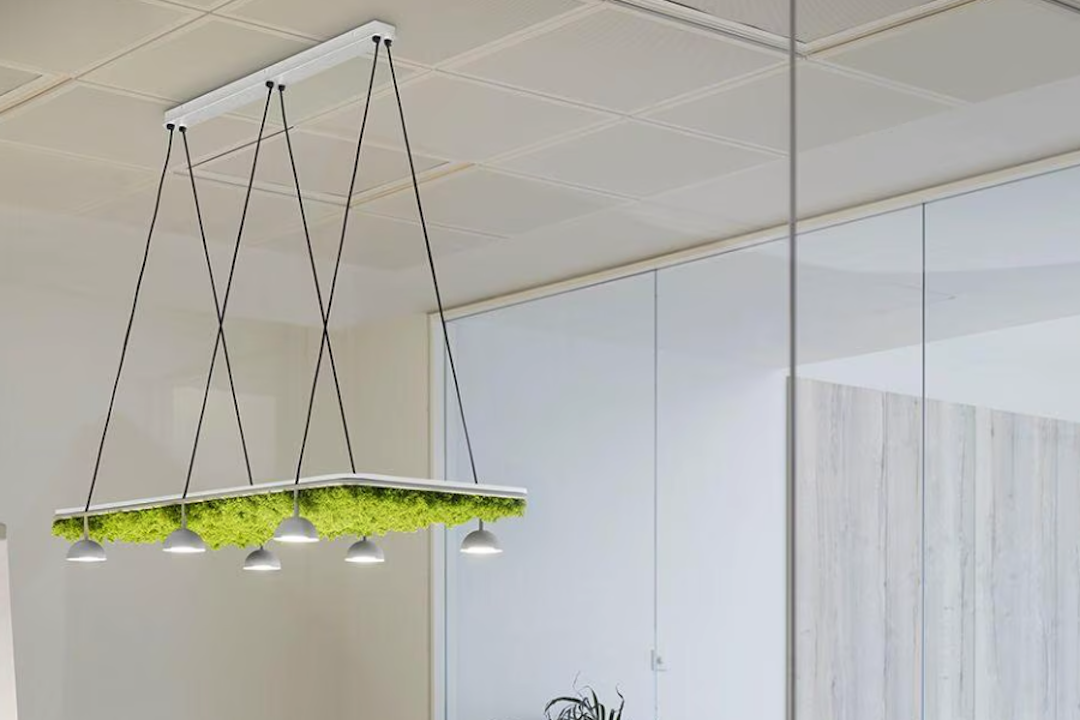
Let’s talk about something really cool that’s popping up everywhere: moss-integrated LED pendants. In a nutshell, these are light fixtures that combine the warm, energy-efficient glow of LEDs with the natural beauty of preserved moss. They’re a fantastic way to bring a touch of the outdoors inside, adding a biophilic design element that’s both aesthetically pleasing and surprisingly practical. Forget sterile, clinical lighting; these pendants offer a unique blend of technology and nature, creating a calming and visually engaging atmosphere in any space.
Why Moss and LEDs? The Perfect Pairing
So, why are these two elements such a great match? Well, LEDs are incredibly versatile. They’re small, emit very little heat, and come in a wide range of color temperatures, making them ideal for integration into various designs. Moss, when preserved, also requires zero maintenance – no watering, no sunlight, just beautiful, vibrant greenery. Marrying these two creates a product that’s low-fuss, high-impact, and taps into our innate desire for natural connections within our homes or workplaces.
Biophilic design is a fancy term for something quite simple: incorporating natural elements into built environments to improve the well-being of the occupants. It’s not just about slapping a plant in a corner; it’s about thoughtfully integrating nature in a way that feels organic and purposeful. Moss-integrated LED pendants are a prime example of this philosophy in action.
Beyond the Greenery: The Benefits of Biophilia
It turns out, being around nature is good for us. Studies have shown that exposure to natural elements can:
- Reduce stress: The calming presence of greenery can help lower anxiety levels.
- Improve focus and productivity: A more natural environment can enhance cognitive function.
- Boost mood: Connecting with nature simply makes us feel better.
These aren’t just abstract ideas; they have tangible impacts on how we feel and perform in our daily lives.
How Moss Pendants Fit In
These pendants go beyond just looking nice. They offer a subtle, continuous connection to nature that’s often missing in modern interiors. Imagine walking into a room and being greeted by a soft, natural glow emanating from a cloud of vibrant green moss. It’s a far cry from the harsh, artificial light Martliving that often dominates our indoor spaces.
Understanding the Components
Before you go shopping, it’s helpful to understand what makes these pendants tick. While they look straightforward, there’s some clever engineering and design that goes into them.
The Star: Preserved Moss
This isn’t your garden-variety moss. The moss used in these pendants undergoes a preservation process that replaces the water in its cells with a non-toxic, biodegradable solution. This allows it to retain its soft texture, vibrant color, and natural appearance without needing any light or water.
- Types of Preserved Moss: You’ll typically encounter reindeer moss, sheet moss, or cushion moss. Each has a slightly different texture and appearance, offering variety in design.
- Maintenance (Spoiler: It’s None!): This is the beauty of preserved moss. No watering, no pruning, no sunlight requirements. Just occasional dusting, if needed.
- Durability and Lifespan: With proper care (avoiding direct sunlight and high humidity), preserved moss can last for many years, often a decade or more, maintaining its color and texture.
The Luminary: LED Technology
LEDs are the workhorses of modern lighting, and for good reason. Their efficiency and versatility make them perfect for integrating into unique fixtures like these.
- Energy Efficiency: LEDs consume significantly less energy than traditional incandescent bulbs, saving you money on your electricity bill and reducing your carbon footprint.
- Longevity: LEDs have an incredibly long lifespan, often tens of thousands of hours, meaning you won’t be changing bulbs frequently.
- Cool Operation: Unlike traditional bulbs, LEDs generate very little heat, which is crucial when they’re nestled amongst preserved organic material.
- Color Temperature Options: You can find LEDs that emit warm white (cozy, inviting), cool white (bright, crisp), or even tunable white light, allowing you to customize the ambiance.
The Structure: Pendant Design Elements
The housing and suspension system are just as important as the moss and LEDs for both aesthetics and functionality.
- Materials: Common materials include metal (aluminum, steel), wood, or even acrylic. The choice of material often dictates the overall style of the pendant.
- Form Factors: From simple minimalist cylinders to sculptural, organic shapes, there’s a wide variety of designs available. Some might feature a ring of moss, while others encase the entire light source in a moss “globe.”
- Suspension Systems: Most pendants use adjustable cables or rods, allowing you to customize the hanging height to suit your space.
Design Considerations for Your Space
Thinking about adding one of these beauties? Here are some practical points to ponder to ensure it looks fantastic in your home or office.
Where to Hang Them: Strategic Placement Ideas
The right placement can transform the impact of a moss pendant. Consider these areas:
- Above Dining Tables: Creates a stunning focal point and a calming atmosphere for meals.
- Kitchen Islands: Adds a touch of nature and soft light to a usually functional space.
- Entryways and Hallways: Offers a welcoming, unique first impression.
- Living Rooms: Can serve as an artistic statement piece or create a cozy reading nook.
- Bedrooms: Promotes a serene and restful environment.
- Commercial Spaces (Offices, Cafes, Boutiques): Elevates branding and creates a more inviting atmosphere for customers and employees.
Choosing the Right Size and Scale
This is crucial for visual balance. A tiny pendant in a cavernous room will look lost, while a massive one in a small space will feel overwhelming.
- Room Size: Larger rooms can handle larger or multiple pendants. Smaller rooms often benefit from a single, proportionally sized fixture.
- Ceiling Height: High ceilings can accommodate longer suspension lengths and more dramatic designs. Lower ceilings require more compact or upward-facing light.
- Visual Weight: Consider how much the pendant “weighs” visually. A dense moss sphere will feel heavier than a thin ring of moss.
Lighting Needs and Ambiance
Don’t forget the primary function of a light fixture: illumination!
- Primary Illumination vs. Accent Lighting: Is this your main light source, or is it intended to add ambiance? Many moss pendants provide soft, diffused light, making them better suited for accent or supplemental lighting rather than primary task lighting.
- Dimmability: Look for pendants with dimmable LEDs. This allows you to adjust the brightness and mood of the room, from bright and inviting to soft and relaxing.
- Color Temperature: As mentioned, warm white (2700K-3000K) is great for cozy spaces; cool white (4000K-5000K) is more energizing. Some pendants offer tunable white, giving you even more flexibility.
Complementary Decor Styles
These pendants are surprisingly versatile, fitting into a range of design aesthetics.
- Modern and Minimalist: A sleek metal pendant with a clean line of moss can add a natural softness without disrupting the minimalist aesthetic.
- Bohemian and Eclectic: The organic, earthy feel of moss pairs wonderfully with natural textures, global prints, and artisanal pieces.
- Industrial: The contrast of raw industrial materials (like concrete or exposed brick) with the softness of moss creates an interesting visual tension.
- Scandinavian: Enhances the natural, light-filled, and functional principles of Nordic design.
- Contemporary: A design that’s both current and reflects a broader appreciation for nature.
Installation and Maintenance Tips
While the moss itself is maintenance-free, there are still a few things to keep in mind regarding installation and the overall care of your pendant.
Professional Installation is Recommended
Unless you’re a seasoned DIY electrician, it’s always best to have a qualified professional install any hardwired light fixture.
- Safety First: Dealing with electrical wiring can be dangerous. An electrician ensures proper wiring, grounding, and secure mounting.
- Correct Wiring: They’ll know how to connect the fixture to your home’s electrical system, including any dimmer switches.
- Secure Mounting: Pendants, especially larger ones, need to be securely anchored to the ceiling to prevent them from falling.
A Note on Handling the Moss
Preserved moss is delicate, especially when dry. While durable, it’s not indestructible.
- Gentle Touch: Avoid pressing or pulling on the moss too firmly during installation or cleaning.
- Humidity Levels: Preserved moss thrives in average indoor humidity (around 40-60%). Extremely dry environments can make it brittle, while excessively high humidity can sometimes cause issues (though rare with quality preserved moss). If brittle, a humidifier nearby temporarily can sometimes help it regain some pliability.
- Avoid Direct Sunlight: Prolonged exposure to direct UV rays can cause the moss to fade over time. Position your pendant away from windows that receive intense, unfiltered sunlight.
Long-Term Care (or Lack Thereof!)
This is where moss-integrated pendants truly shine.
- Dusting: The primary “maintenance” task will be occasional dusting. A soft, dry brush or a can of compressed air on a low setting can gently remove any accumulated dust. Avoid wet cloths, as the moss isn’t designed to get saturated.
- No Watering: Seriously, don’t water it. It’s preserved, not alive in the traditional sense.
- LED Replacement: While LEDs have a long lifespan, if they ever do fail, refer to the manufacturer’s instructions for replacement. Some designs may require the entire fixture to be replaced, while others have replaceable LED modules.
The Future of Natural Lighting
Moss-integrated LED pendants are more than just a trend; they represent a growing movement towards holistic design that prioritizes human well-being and environmental consciousness. As technology advances and our appreciation for nature deepens, we can expect to see even more innovative ways to combine the best of both worlds.
Beyond Pendants: Other Moss Applications
The technology used in these pendants isn’t limited to just hanging lights. Keep an eye out for:
- Moss Walls with Integrated Lighting: Larger vertical installations that combine the lushness of a moss wall with subtle, integrated LED strips or spotlights.
- Moss Art with Backlighting: Framed moss pieces that use LEDs to create a glowing, ethereal effect.
- Furniture with Moss Elements: Tables, benches, or shelving units that incorporate preserved moss and often ambient LED lighting.
The “Green” Movement in Interior Design
This isn’t just about color; it’s about sustainability and connection. The shift towards biophilic design and the use of natural, low-maintenance materials is a significant one. Moss-integrated LED pendants are a unique example of how we can bring more of the natural world into our daily lives, making our spaces not just functional, but also beautiful, calming, and truly enriching. They offer a simple yet profound way to enhance our environments, reminding us of the enduring beauty and serenity that nature provides.