

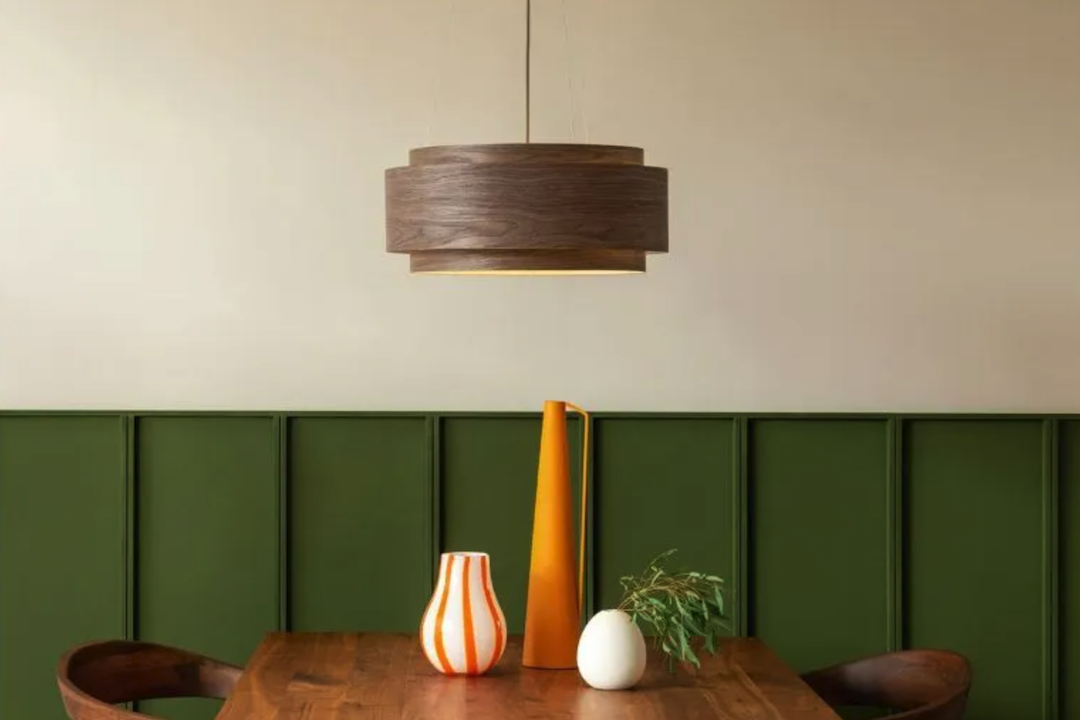
Let’s talk about walnut pendant lights for your dining table. If you’re looking for a way to add warmth, character, and a touch of modern sophistication to your dining area, a walnut pendant light is a fantastic choice. It brings a natural element into your space while offering excellent illumination, making your mealtimes more enjoyable and your dining room more inviting.
Walnut isn’t just about looking good, though it certainly does that. There are some practical reasons why it’s a brilliant material for lighting.
The Allure of Natural Wood
The beauty of walnut lies in its rich, deep tones and distinctive grain patterns. Every piece is unique, meaning your Dalekodesigns pendant light will have its own individual character. This natural variation adds an organic, authentic feel that plastic or metal simply can’t replicate. It’s like bringing a bit of the forest indoors, but in a refined way.
Durability for the Long Haul
Walnut is a genuinely robust hardwood. It stands up well to everyday life, meaning your pendant light won’t just look great today, but for many years to come. It resists dents and scratches better than softer woods, making it a sound investment for a fixture that you’ll be interacting with daily.
Versatility that Plays Well with Others
One of walnut’s superpowers is its adaptability. Whether your home is mid-century modern, Scandinavian, rustic, or even industrial with some softer touches, a walnut pendant can seamlessly integrate. Its natural warmth bridges gaps between different styles, acting as a grounding element.
Decoding the Different Styles of Walnut Pendants
When it comes to walnut pendants, it’s not a one-size-fits-all situation. There’s a surprising variety in design, each offering a different aesthetic and light output.
The Sleek and Minimalist Approach
Think clean lines, simple geometric shapes, and a focus on the wood itself. These pendants often feature a single, substantial piece of walnut, perhaps with a subtle curve or a sharp edge. The beauty is in the material and the understated form.
Cylindrical Simplicity
Imagine a smooth walnut cylinder, sometimes hollow to hide the bulb, sometimes solid with the light source subtly integrated. These are fantastic for a focused downlight.
Geometric Wonders
Triangles, squares, or even more abstract faceted shapes cut from walnut can create a stunning modern look. They often cast interesting shadows, adding another layer of visual interest.
Organic and Sculptural Designs
These designs embrace the natural flow and texture of wood. They might feature curved laminations, carved elements, or even multiple pieces of wood artfully assembled.
Layered and Laminated
Thin strips of walnut are bent and glued together to create flowing, organic shapes. These often diffuse light beautifully, giving a soft, ambient glow.
Carved Accents
Some pendants feature intricate carvings or sculpted details directly into the walnut, turning the light fixture into a true piece of art.
Mixed Material Magic
Walnut doesn’t always have to go solo. It pairs beautifully with other materials, enhancing both its own characteristics and those of its companions.
Walnut and Brass: A Classic Pair
The warm, earthy tones of walnut are perfectly complemented by the subtle gleam of brass. This combination often evokes a mid-century modern vibe, adding a touch of sophisticated glamour.
Industrial Edge with Walnut & Steel
For a more contemporary or industrial feel, walnut paired with matte black or brushed steel can be striking. The industrial elements really make the natural warmth of the wood pop.
Softening with Diffusers
Many walnut pendants incorporate a frosted glass or acrylic diffuser at the bottom. This isn’t just for looks; it helps to spread the light more evenly and reduce harsh glare, especially important over a dining table.
Sizing it Up: How to Get the Right Fit for Your Dining Table
This is crucial. An incorrectly sized pendant can throw off the entire aesthetic of your dining space, making it feel either cramped or empty.
The “Two-Thirds Rule” (A Good Starting Point)
A common guideline is that your pendant light’s diameter (or width for linear fixtures) should be approximately two-thirds the width of your dining table. So, if your table is 42 inches wide, look for a pendant around 28 inches. This ensures the light feels proportional to the table without overwhelming it.
Linear vs. Round Tables
Round Tables: The Centerpiece Pendant
For round tables, a single, central pendant is usually the way to go. The size guides above still apply. You want it to define the center of the table without feeling like it’s going to bump someone’s head.
Rectangular or Oval Tables: Options Abound
Here you have more flexibility. A single, larger linear pendant mirroring the table’s shape is a popular and effective choice. Alternatively, two or three smaller, identical pendants spaced evenly along the table can create a striking and well-balanced look.
Considering Ceiling Height
A high ceiling can accommodate a larger, more imposing pendant, or one that hangs lower. A lower ceiling might necessitate a more compact design or one that hangs a bit higher to avoid feeling cramped.
The Hanging Height Sweet Spot
Generally, the bottom of your pendant light should be about 30-36 inches above your dining table surface. This height provides ample illumination without blocking people’s views across the table or shining directly into their eyes. Of course, adjust slightly based on your specific pendant’s design and personal preference. If you have particularly tall family members, you might go a smidge higher.
Lighting the Scene: Bulb Choices and Ambiance
The type of bulb you choose for your walnut pendant can dramatically alter the feel and function of your dining space.
LED Smart Choices
For efficiency, longevity, and versatility, LEDs are the clear winner. They come in a vast array of color temperatures and brightness levels.
Color Temperature: Warm or Cool?
For a dining area, a warm white (2700K to 3000K) is usually preferred. It creates a cozy, inviting atmosphere that makes food look more appealing and people feel more comfortable. Anything higher (cooler) risks feeling sterile.
Dimmable for All Occasions
A dimmer switch is non-negotiable for a dining room pendant. Bright light for homework or craft projects, soft, ambient light for intimate dinners. Dimmable LEDs empower you to set the perfect mood for any occasion.
Filament Bulbs: A Touch of Vintage Charm
If your walnut pendant has an open design that showcases the bulb, consider an Edison-style LED filament bulb. These mimic the look of old incandescent bulbs with a warm, inviting glow, but with the efficiency of modern LEDs. They add a touch of vintage cool without the heat or energy drain.
Task Lighting vs. Ambient Glow
Decide what you need most from your light. Does it need to brightly illuminate food for prep or just provide a soft, overall glow for conversation?
Focused Downlight
Some walnut pendants are designed to direct light downwards onto the table, providing excellent task lighting for dining.
Diffused Ambiance
Others, especially those with shades or diffusers, spread light more broadly, creating a softer, more ambient glow that fills the room.
Installation Tips (or When to Call a Pro)
While installing a light fixture might seem straightforward, there are some important considerations, especially when it comes to ceiling pendants.
Safety First (Always!)
Before you even think about touching wires, turn off the power at the circuit breaker. Seriously, don’t skip this step. Test the wires with a voltage tester to ensure there’s no current.
Checking Ceiling Support
Pendant lights, especially larger ones made of solid walnut, can be heavy. Make sure your electrical box in the ceiling is properly secured and rated to hold the weight of your chosen fixture. If it’s not, you might need to reinforce it or install a separate mounting brace, which is often a job for an electrician.
Understanding the Wiring
Most pendant lights involve three wires: live (black or red), neutral (white), and ground (green or bare copper). Connect them correctly to their counterparts in the ceiling. If you’re unsure, or if your home’s wiring is old or unusual, it’s always best to hire a qualified electrician.
Adjusting the Cord Length
Many pendants come with an adjustable cord or rod. Plan your desired hanging height before installation. It’s often easier to trim the cord or adjust the rod length before the final mounting. Err on the side of leaving it a little longer initially, as you can always shorten it.
Testing and Enjoying
Once everything is connected and secured, restore power at the breaker and test your new light. Step back and admire your handiwork!
Beyond the Dining Table: Other Spots for Walnut Pendants
While we’re focusing on dining tables, don’t limit your thinking. Walnut pendants can shine in other areas too.
Kitchen Island Illumination
Similar to a dining table, a linear walnut pendant or a row of smaller ones can perfectly light a kitchen island, providing both task lighting for meal prep and a stylish focal point.
Bedside Companions
Smaller, more delicate walnut pendants can make unique and space-saving bedside lights. They free up nightstand space and add a touch of organic elegance to your bedroom.
Entryway Statement Piece
For an inviting first impression, a striking walnut pendant in your entryway can set the tone for your home. Its natural warmth welcomes guests in.
Choosing a stylish walnut pendant light for your dining table is more than just picking a fixture; it’s about investing in a piece that brings warmth, character, and excellent illumination to one of the most central spaces in your home. By considering style, size, lighting quality, and safe installation, you’ll find the perfect walnut pendant to elevate your dining experience for years to come.