

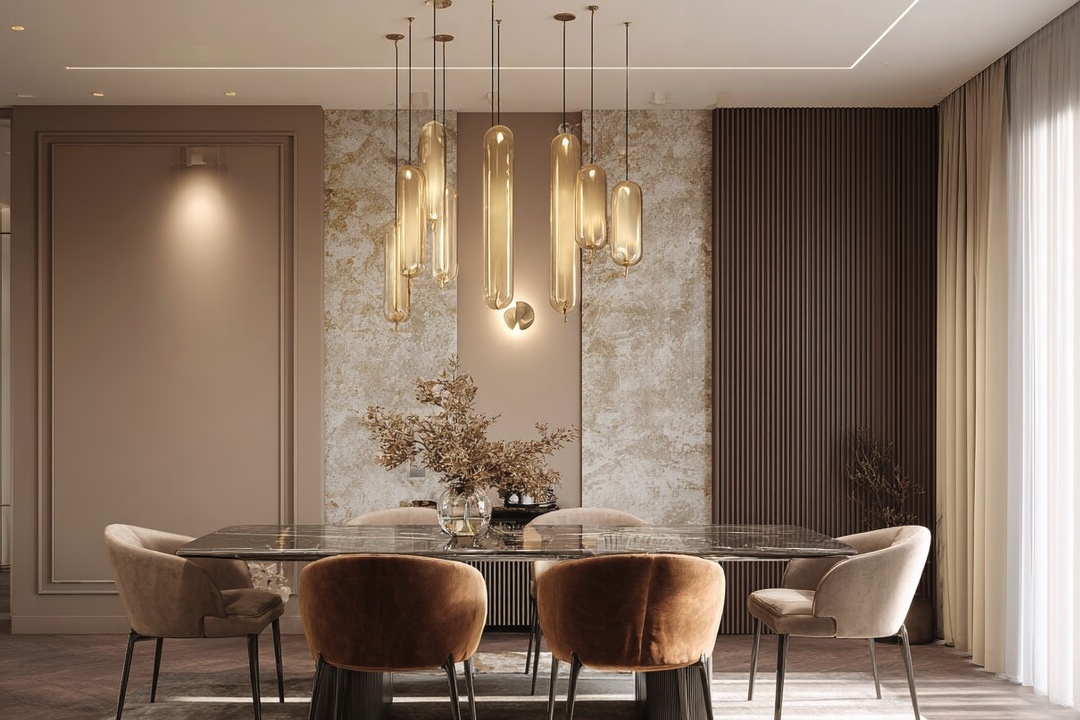
Velvet lighting shades can absolutely elevate your winter dining room, bringing a much-needed touch of elegance and warmth. They’re not just about aesthetics; they diffuse light beautifully, creating a cozy and inviting atmosphere that’s perfect for those darker, colder months. Think of them as a simple, yet impactful, way to dress up your space for the season.
When the days get shorter and the temperatures drop, our homes naturally become our sanctuaries. We crave warmth, comfort, and a bit of luxury. This is where velvet truly shines. It’s not just a trend; it’s a timeless material that intrinsically brings a sense of opulence and softness.
The Tactile Allure of Velvet
One of the first things you notice about velvet is how it feels. That soft, plush surface isn’t just nice to touch; it adds a visual texture that other fabrics can’t replicate. In a dining room, where hard surfaces often dominate (tables, chairs, sideboards), incorporating velvet introduces a much-needed softness that makes the room feel more welcoming and less sterile.
Light Absorption and Diffusion
Velvet has a unique way of interacting with light Dililamp. Unlike many fabrics that reflect light, velvet tends to absorb it. This characteristic is particularly beneficial for lighting shades. Instead of harsh, direct light, you get a softer, more diffused glow. This is crucial in a dining room, as harsh lighting can be unflattering and uninviting. A velvet shade creates a warm ambient light that’s perfect for intimate dinners and long conversations.
Insulation and Warmth
While a lighting shade isn’t going to heat your room, the perception of warmth is a powerful thing. Velvet, with its dense pile, is often associated with warmth and comfort. Psychologically, seeing and touching velvet can contribute to a feeling of coziness, which is exactly what you want during winter.
Choosing the Right Velvet Shade: Considerations Beyond Color
Picking a velvet shade isn’t just about grabbing the first one you see. There are a few practical considerations that will ensure it truly enhances your dining space.
Size and Scale Matters
A common mistake people make is choosing a shade that’s either too small or too large for their space and fixture. A tiny shade above a large dining table will look lost, while an oversized one can feel overwhelming and dominate the room in a negative way.
Matching Shade to Fixture
If you’re replacing an existing shade on a pendant or chandelier, measure the original shade’s dimensions (diameter and height) as a starting point. Consider the overall size of the fixture itself. A delicate, multi-arm chandelier might call for smaller shades, while a single, bold pendant can handle a larger, more substantial velvet shade.
Proportion to Dining Table
The shade should be proportionate to your dining table. As a general rule, the diameter of the shade should be roughly one-half to two-thirds the width of your dining table. This creates a visual balance and ensures the light is adequately distributed over the eating surface without feeling out of place.
Ceiling Height Impact
Don’t forget ceiling height. In rooms with lower ceilings, a shade that’s too deep can make the room feel cramped. Opt for shallower drums or tapered styles. High ceilings, on the other hand, can accommodate more dramatic and elongated shades.
Color Palette for Winter Elegance
While velvet itself adds elegance, the color you choose will dictate the specific mood and how well it integrates with your existing decor.
Deep Jewel Tones
For a truly luxurious and sophisticated winter look, jewel tones are your best friend. Think emerald green, sapphire blue, ruby red, or amethyst purple. These colors are inherently rich and vibrant, and when rendered in velvet, they absorb light beautifully, adding depth and warmth without being overtly bright. They pair wonderfully with metallic accents like brass or gold.
Muted and Earthy Hues
If your dining room has a more understated or natural aesthetic, consider muted velvet shades. Forest green, charcoal gray, deep plum, or even a soft antique rose can create a serene and elegant atmosphere. These colors are less overtly dramatic than jewel tones but still offer that luxurious velvet texture. They work well with natural wood furniture and more rustic elements.
Classic Neutrals with a Twist
Don’t discount neutrals. A deep black velvet shade can be incredibly chic and modern, providing a striking contrast against lighter walls. A rich, dark brown or a sophisticated deep cream can also offer an understated elegance. The key here is the velvet texture itself, which elevates these common colors into something special.
Shape and Style of the Shade
The shape of your velvet shade also plays a significant role in the overall aesthetic.
Drum Shades
Drum shades are classic and versatile. They offer a clean, cylindrical profile that works well in most dining rooms. They provide excellent downward light distribution, which is ideal for a dining table. Velvet drum shades can range from sleek and modern to more traditional depending on the fabric and any trim details.
Tapered Shades
Tapered shades, with a wider bottom and narrower top, have a slightly more traditional or transitional feel. They can add a touch of softness and elegance. They also help direct light downwards while allowing some to escape upwards, creating a pleasant ambient glow.
Empire Shades
Empire shades are characterized by a more pronounced taper, often with a wider bottom opening. They tend to lean towards a classic or vintage aesthetic. In velvet, an empire shade can evoke old-world glamour and sophistication, especially when paired with a more ornate fixture.
Pleated Velvet Shades
While smooth velvet is stunning, pleated velvet shades add another layer of texture and visual interest. The pleats create subtle shadows and highlights, making the shade appear even more dynamic. This style can be particularly effective in rooms that need a little extra decorative flair.
Integrating Velvet Shades into Your Winter Dining Decor
Once you’ve chosen your perfect velvet shade, it’s time to think about how it fits into the broader scheme of your winter dining room.
Harmony with Existing Furniture
Your velvet shade shouldn’t exist in a vacuum. Consider how its color and style complement your dining table, chairs, and sideboard.
Complementary Colors and Textures
If your dining chairs are upholstered, consider how the velvet shade will play with their fabric. You don’t necessarily need to match, but aim for complementary colors or textures. For example, a deep blue velvet shade could look stunning above chairs upholstered in a lighter gray linen or a warm wood.
Wood Tones
Wood furniture is a staple in most dining rooms. Velvet shades, particularly those in jewel tones or earthy hues, pair beautifully with both light and dark wood tones. The richness of the velvet can highlight the natural grain of the wood, creating a sense of depth and luxury.
Layering Textures for Warmth
Velvet is a fantastic starting point for layering textures, which is key to creating a cozy winter dining room.
Table Linens
Swap out lightweight summer table linens for heavier options. A linen tablecloth with a slight texture, or even a subtle jacquard pattern, can work well. Consider velvet or faux fur runners and placemats for an extra touch of luxury.
Drapery
If your dining room has windows, consider heavy drapes in materials like velvet, wool, or a thick linen. These not only provide insulation but also add to the room’s plush, inviting feel. Matching your drape color to a subtle tone in your velvet shade can create a cohesive look.
Area Rugs
A well-chosen area rug can instantly warm up a dining room. Look for rugs with a deep pile or rich texture, such as wool or even a faux sheepskin. This adds softness underfoot and further defines the dining area, making it feel more intimate.
Strategic Lighting Placement
The placement of your velvet shade is just as important as the shade itself.
Centered Over the Table
For most dining rooms, the primary pendant or chandelier with a velvet shade should be centered over the dining table. This ensures even light distribution and creates a focal point.
Height Adjustment
The ideal height for a dining room pendant or chandelier is typically 30-36 inches above the table surface, assuming an 8-foot ceiling. Adjust this up or down by 3 inches for every foot of ceiling height difference. The goal is to illuminate the table without obstructing views across it.
Adding Supplementary Lighting
While your velvet pendant will be a star, don’t rely solely on it. Consider adding supplementary lighting for a well-rounded ambiance.
Sconces
Wall sconces with small, subtle shades can add decorative light and a soft glow around the perimeter of the room.
Table Lamps
If you have a sideboard or console table in your dining room, a small table lamp with a simple shade can provide an additional layer of warm, ambient light.
Dimmers
A dimmer switch is an absolute must for dining room lighting. It allows you to adjust the intensity of the light, transitioning from brighter illumination for cleanup to a soft, romantic glow for dinner parties. This is especially effective with velvet shades, as it allows you to truly control the mood.
Maintenance Tips for Velvet Lighting Shades
Velvet, while beautiful, does require a little care to keep it looking its best.
Regular Dusting
Velvet can attract dust. Use a soft brush attachment on your vacuum cleaner or a lint roller to gently remove dust and debris on a regular basis. Work in the direction of the pile to avoid damaging the fabric.
Spot Cleaning
For spills or marks, act quickly. Blot, don’t rub, with a clean, damp cloth. Use a mild, pH-neutral fabric cleaner specifically designed for upholstery, testing it on an inconspicuous area first. Avoid saturating the velvet, as this can cause watermarks.
Avoiding Direct Sunlight
While a lighting shade isn’t usually in direct sunlight, be mindful if your dining room gets strong afternoon sun. Prolonged exposure can fade velvet over time.
Professional Cleaning (If Needed)
For stubborn stains or if the shade needs a deeper clean, consider professional upholstery cleaning. They have the expertise and equipment to clean velvet safely and effectively.
Final Touches: Beyond the Shade
Once your velvet lighting shade is in place, think about other small additions that can further enhance your winter dining room’s elegance.
Candles and Candlelight
There’s nothing quite like the soft flicker of candlelight to complement the diffused glow of a velvet shade. Incorporate pillar candles, taper candles, or even small votives on your dining table or sideboard.
Metallic Accents
Brass, gold, or copper accents naturally pair well with velvet, especially jewel tones. Think metallic candle holders, a decorative bowl, or the base of your lighting fixture itself.
Natural Elements
Bring the outdoors in with seasonal elements. A simple centerpiece of pinecones, evergreen sprigs, or even a bowl of winter fruits can add a rustic yet elegant touch that contrasts beautifully with the luxury of velvet.
By thoughtfully incorporating a velvet lighting shade and paying attention to these details, you can transform your dining room into a truly elegant and inviting space for the winter season. It’s about creating an atmosphere that feels both luxurious and genuinely comfortable, a perfect setting for gathering with loved ones.