

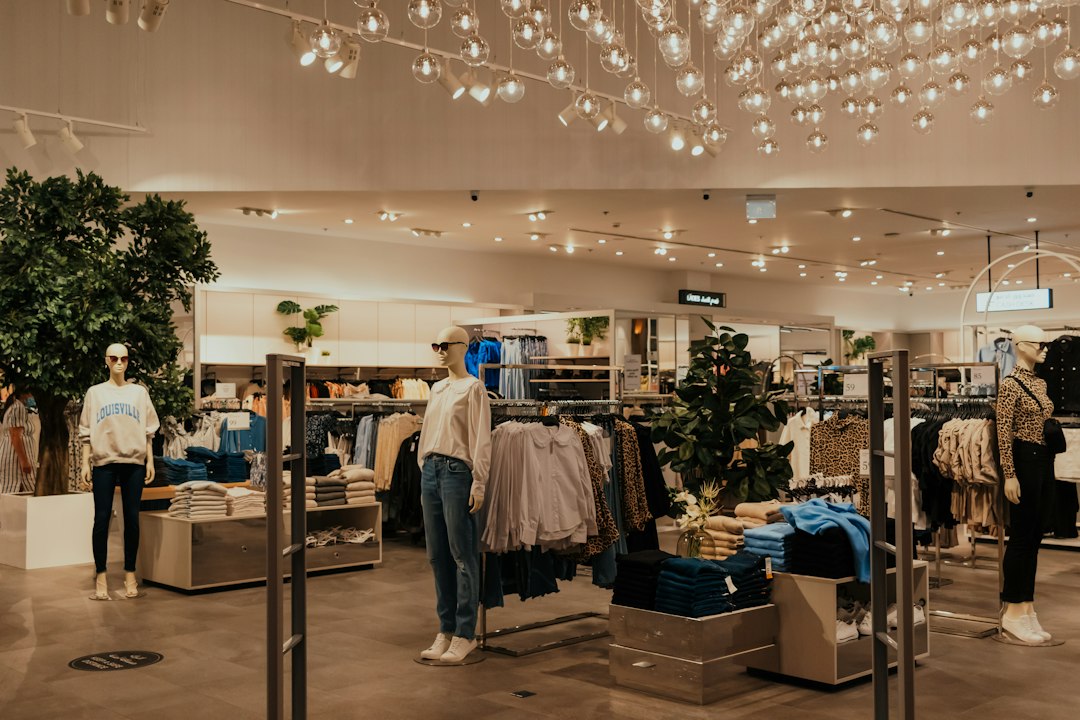
When you’re thinking about how much retail store lighting is going to set you back, the short answer is: it varies wildly. You could be looking at a few thousand dollars for a small boutique with basic fixtures, or easily hundreds of thousands for a large department store with advanced, integrated systems. The sweet spot for many small to medium-sized retailers often falls between $5,000 and $50,000 for a solid, effective lighting setup. It all boils down to the size of your space, the type of products you sell, the ambiance you want to create, and the technology you choose to implement.
Understanding the Core Costs of Retail Lighting
Let’s break down the main components that contribute to the overall cost of your retail lighting Kaderhill project. It’s more than just buying light bulbs; there’s a whole system involved.
Fixture Costs
This is often the most obvious cost. Fixtures come in a huge range, from simple track lights to elaborate decorative pendants and specialized display lighting.
- Basic Fixtures: Think standard recessed cans, simple track heads, or basic fluorescent tubes. These are generally the least expensive per unit, often starting from $20-$50 each. If you’re outfitting a no-frills discount store or a back-of-house area, these can keep costs down.
- Mid-Range Fixtures: This category includes most typical LED track lighting, adjustable spotlights, and more aesthetically pleasing recessed fixtures. Prices here can range from $50-$200 per fixture. This is where most retailers find a good balance between performance, appearance, and cost.
- High-End & Specialty Fixtures: This is where things get pricier. Custom-designed fixtures, architectural lighting, highly efficient or color-tunable LEDs, and fixtures with advanced optics for specific product highlighting can easily run from $200 to $1,000+ per unit. Stores selling luxury goods, art, or those with unique architectural elements will often invest heavily here.
The total fixture cost is heavily dependent on the number of fixtures needed, which ties directly into the size of your store and the desired light levels. A rough estimate might be one fixture per 50-100 square feet for general illumination, plus additional accent lighting.
Lamp (Bulb) Costs
While many modern LED fixtures come with integrated lamps, if you’re using traditional fixtures or modular LED systems, the cost of the lamps themselves is a factor.
- Traditional Lamps (Halogen, Incandescent, Fluorescent): These are generally cheaper upfront, often just a few dollars each. However, their higher energy consumption and shorter lifespan mean higher operational costs over time. Many retailers are moving away from these for environmental and financial reasons.
- LED Lamps: More expensive upfront, usually $5-$30 each for a quality bulb, but they offer significant long-term savings through lower energy use and extended lifespans (tens of thousands of hours compared to thousands for traditional bulbs). The efficiency and longevity make them a smart investment for most retail environments.
Installation Costs
Don’t forget the labor! Unless you’re a qualified electrician, you’ll need professionals to install your lighting system.
- Electrician Rates: These vary by region, but expect to pay an hourly rate ranging from $75-$150. For a larger project, they might quote a flat fee.
- Complexity: The more complex your lighting design, the longer it will take to install. Things like new wiring runs, specialized mounting, or intricate control systems will drive up installation costs. If you’re retrofitting an existing space, the costs can be lower if existing wiring can be reused, but higher if significant electrical upgrades are required.
- Permits: Depending on your location and the scope of the electrical work, you might need permits, which adds another small cost and administrative step.
Installation can often account for 20-40% of the total project cost, so it’s a significant budget item to consider.
Control Systems
Modern retail lighting isn’t just about flicking a switch. Control systems offer flexibility, energy savings, and enhanced customer experiences.
- Basic Controls: Simple dimmers and occupancy sensors. These are relatively inexpensive, often just $50-$200 per control unit. They offer basic functionality for energy saving and ambiance adjustment.
- Advanced Controls (Zoning, Scheduling, Daylighting): Systems that allow you to group lights, set schedules, and automatically adjust lighting based on natural light levels. These can range from a few hundred to several thousand dollars, depending on the scale and sophistication. They pay off in energy savings and adaptability.
- Smart & Integrated Systems (IoT, Human-Centric Lighting): These are the most advanced, often integrated with building management systems or smart retail platforms. They can adjust color temperature, track foot traffic, and even be controlled via apps. Costs here can be substantial, from thousands to tens of thousands of dollars, but offer the highest level of control and data insights.
Budgeting Strategies for Retail Lighting
Approaching your lighting budget strategically can save you money and ensure you get the best return on your investment. It’s not just about cutting costs, but about smart spending.
Prioritizing Your Lighting Needs
Not all areas of your store require the same level of lighting or the same type of fixtures.
- High-Impact Zones: These are your display windows, feature walls, new arrival sections, and checkout counters. Invest in high-quality, impactful lighting here to draw attention and highlight products effectively. This is where you want to spend a bit more on good color rendering (CRI) and focused beam angles.
- General Sales Floor: This area needs good, even illumination that allows customers to comfortably browse. Mid-range LED track lights or recessed fixtures are usually a good fit. Focus on appropriate light levels (lux/foot-candles) and good overall coverage.
- Changing Rooms & Customer Service Areas: These areas require flattering, comfortable lighting. Avoid harsh overhead lighting and consider warmer color temperatures and diffuse light sources.
- Back-of-House (Stockrooms, Offices): Functionality and energy efficiency are key here. Basic, robust LED panels or strip lights are often sufficient and cost-effective. High CRI isn’t a priority, but good overall illumination is.
By segmenting your store, you can allocate your budget more effectively, spending more where it matters most for customer experience and sales, and less where basic functionality is enough.
Phased Implementation
If your budget is tight, consider a phased approach rather than trying to do everything at once.
- Phase 1: Essential Lighting: Start with the core general illumination and critical display lighting. Focus on getting the basic light levels right and ensuring functionality.
- Phase 2: Enhancements: Once the essentials are in place and budget allows, add accent lighting, decorative fixtures, or more advanced control systems.
- Phase 3: Upgrades & Optimization: Over time, you can upgrade to more energy-efficient fixtures, integrate smart systems, or refine your lighting design as technology evolves or your store’s needs change.
This approach allows you to spread the cost over time and ensures you have functional lighting from day one.
Long-Term Value vs. Upfront Cost
It’s tempting to go for the cheapest option, but with lighting, upfront cost is only one piece of the puzzle.
- Energy Efficiency: LED lighting has a higher upfront cost but dramatically lower energy consumption compared to traditional incandescent or halogen. Over the lifespan of the fixtures, the energy savings often far outweigh the initial investment. This is a critical factor, especially with rising energy prices.
- Maintenance: LED lights have very long lifespans (50,000+ hours is common), meaning less frequent bulb changes and lower labor costs for maintenance. In contrast, traditional bulbs need to be replaced much more often, which is a significant operational cost, especially for high ceilings.
- Impact on Sales: Good lighting can positively impact sales by making products more appealing, improving customer comfort, and enhancing brand image. Investing in quality lighting that contributes to a better shopping experience can have a tangible ROI that’s hard to quantify initially but very real in practice.
- Warranty: Good quality lighting fixtures typically come with warranties of 3-5 years, sometimes more. Cheaper, lower-quality products might have no warranty or a very short one, meaning you could be replacing them sooner.
Always calculate the total cost of ownership (TCO) – which includes initial purchase, installation, energy costs, and maintenance over the expected lifespan – before making a decision.
Smart Buying Tips and Cost-Saving Measures
Beyond budgeting, there are practical steps you can take during the purchasing process to get more bang for your buck.
Leveraging LED Technology
This isn’t just a trend; it’s the standard for good reason.
- Energy Savings: As mentioned, LEDs consume significantly less power than older lighting types. This directly translates to lower electricity bills, which is a continuous saving.
- Longevity: Their extended lifespan means less frequent replacement, reducing both the cost of new lamps and the labor involved in changing them.
- Flexibility: LEDs offer unparalleled flexibility in terms of color temperature (warm white to cool daylight), dimming capabilities, and even color-changing options, allowing for dynamic retail environments.
- Reduced Heat Output: Unlike halogen or incandescent bulbs, LEDs produce very little heat. This can reduce your store’s air conditioning load, leading to further energy savings, especially in warmer climates or stores with large lighting arrays.
While the initial investment in LEDs might be higher, the long-term operational savings are compelling.
Considering Refurbished or Used Fixtures (with caution)
This can be a cost-saving measure, but it comes with caveats.
- Savings: You can find quality fixtures at a fraction of their original price. This is particularly useful for decorative fixtures where the ‘look’ is more important than cutting-edge technology.
- Risks:
- Longevity & Warranty: Used fixtures might have less life left in them and rarely come with a warranty.
- Compatibility: Ensure they are compatible with your existing electrical system and any control systems you plan to use.
- Efficiency: Older used LED fixtures might not be as energy-efficient as current models. You might save upfront but lose on energy savings.
- Aesthetics: Used fixtures might show signs of wear and tear, which might not be suitable for a high-end retail environment.
This option is best suited for back-of-house areas or non-critical display areas where perfect aesthetics aren’t paramount, or if you have a budget for refurbishment and testing.
Bulk Purchasing and Supplier Relationships
If you’re outfitting a larger store or multiple locations, leverage your purchasing power.
- Volume Discounts: Many lighting manufacturers and distributors offer significant discounts for bulk orders. It pays to consolidate your purchasing rather than buying fixtures piecemeal.
- Supplier Relationships: Building a good relationship with a lighting supplier can lead to better pricing, expert advice, and improved service. They can often help with lighting design and product selection, which can prevent costly mistakes.
- Negotiation: Don’t be afraid to negotiate, especially if you have a large project. Get multiple quotes and use them to leverage better pricing.
Taking Advantage of Rebates and Incentives
Many governments and utility companies offer programs to encourage energy-efficient upgrades.
- Energy Efficiency Rebates: Check with your local utility provider. They often have rebates for businesses that upgrade to LED lighting or install energy-efficient controls. These can significantly offset the upfront cost.
- Tax Credits/Deductions: Some regions offer tax incentives for businesses investing in energy-efficient improvements. Consult with a tax professional or local business development agency to see what’s available.
- Commercial Property Assessed Clean Energy (C-PACE) Programs: In some areas, these programs allow property owners to finance energy efficiency and renewable energy upgrades through a voluntary assessment on their property tax bill.
These programs can dramatically reduce the net cost of your lighting project, so it’s always worth researching what’s available in your area.
Key Considerations for Optimal Retail Lighting Design
Beyond the price tag, the effectiveness of your lighting design is paramount. Spending money on lighting that doesn’t achieve your goals is a wasted investment.
Color Temperature (CCT)
This refers to how warm or cool the light appears, measured in Kelvins (K).
- Warm White (2700K-3000K): Creates a cozy, inviting, and intimate atmosphere. Ideal for boutiques, cafes, furniture stores, or luxury retail where comfort and a sophisticated feel are desired. It can make colors like reds and oranges pop.
- Neutral White (3500K-4000K): A balanced and natural light that’s common for general retail. It’s good for showcasing a wide range of products accurately without appearing too warm or too cool. Suitable for clothing stores, electronics, and supermarkets.
- Cool White/Daylight (5000K-6500K): Crisp, bright light that conveys alertness and cleanliness. Often used in jewelers (to make diamonds sparkle), hardware stores, and areas where precision and detail are important. Can make products look vibrant but might feel sterile if overused.
Choosing the right color temperature is crucial for setting the mood and making your products look their best.
Color Rendering Index (CRI)
CRI measures how accurately a light source reveals the true colors of objects compared to natural daylight. A higher CRI (closer to 100) means better color accuracy.
- Why it Matters: In retail, especially for clothing, cosmetics, art, and food, a high CRI is essential. Customers need to see the true color of a product to make an informed purchase. A low CRI light can make colors appear dull or distorted, leading to customer dissatisfaction or even returns.
- Recommended CRI: Aim for fixtures with a CRI of 80 or higher for general retail. For premium products or critical display areas, a CRI of 90+ is highly recommended. While higher CRI fixtures are generally more expensive, the investment is justified by accurate product presentation.
Layering Light
Effective retail lighting uses multiple layers, not just a single type of overhead light.
- Ambient/General Lighting: Provides overall illumination for safe and comfortable movement throughout the store. This is your base layer.
- Accent/Spot Lighting: Highlights specific products, displays, or architectural features. This creates visual interest and draws the customer’s eye to key merchandise. Track lights and spotlights are commonly used here.
- Task Lighting: Provides focused light for specific activities, such as at cash registers, fitting rooms, or product preparation areas.
- Decorative Lighting: Enhances the store’s aesthetic and brand image. This can include chandeliers, pendants, or unique light installations that contribute to the store’s ambiance.
Layering creates depth, visual hierarchy, and helps guide customers through the store, making the shopping experience more engaging.
Beam Angle
The beam angle determines how wide or narrow the light spread is from a fixture.
- Narrow Beam (10-30 degrees): Creates a focused spotlight, ideal for highlighting individual products, jewelry, or small details. It produces strong contrasts and can make items “pop.”
- Medium Beam (30-60 degrees): A versatile option for accentuating groups of products or small displays. It offers a good balance between focus and spread.
- Wide Beam (60+ degrees): Provides broad, even illumination. Best for general ambient lighting, illuminating large wall displays, or washing an entire section of merchandise.
Using a combination of beam angles allows you to create visual interest and effectively direct customer attention.
Finding the Right Professionals and Resources
Don’t go it alone. Getting expert advice can save you money and headaches in the long run.
Lighting Designers and Consultants
For larger or more complex projects, a professional lighting designer can be invaluable.
- Expertise: They understand the nuances of light, space, and human psychology. They can create a design that optimizes visual appeal, energy efficiency, and customer experience.
- Vendor Neutrality: A good consultant works for you, not a specific fixture manufacturer, ensuring you get the best solutions for your needs and budget.
- Cost Savings: While there’s a fee for their service, their expertise can lead to significant savings through optimized fixture selection, energy efficiency, and avoiding costly mistakes in design or installation.
- Comprehensive Planning: They can help with everything from photometric calculations (ensuring correct light levels) to control system integration.
For smaller stores, a good lighting supplier or electrician might offer basic design assistance.
Qualified Electricians
Always use licensed and experienced electricians for installation.
- Safety: Electrical work can be dangerous. Professionals ensure all wiring is up to code and safely installed, preventing fire hazards or electrical failures.
- Efficiency: Experienced electricians work efficiently, saving you on labor costs.
- Compliance: They ensure your installation complies with local building codes and regulations, avoiding potential fines or rework.
Get multiple quotes and check references before hiring.
Reputable Lighting Suppliers
Choosing the right supplier is about more than just price.
- Product Quality: A good supplier offers quality products from reputable manufacturers that come with warranties.
- Technical Support: They should be able to provide technical specifications, photometric data, and assistance with product selection.
- Service & Logistics: Reliable delivery, good customer service, and efficient handling of any issues are crucial.
- Design Assistance: Many suppliers offer basic lighting design services as part of their package, which can be a great resource for smaller businesses.
Don’t just pick the cheapest option; consider the overall value, support, and reliability when choosing a supplier. Look for suppliers who specialize in commercial or retail lighting, as they’ll have a better understanding of your specific needs.