

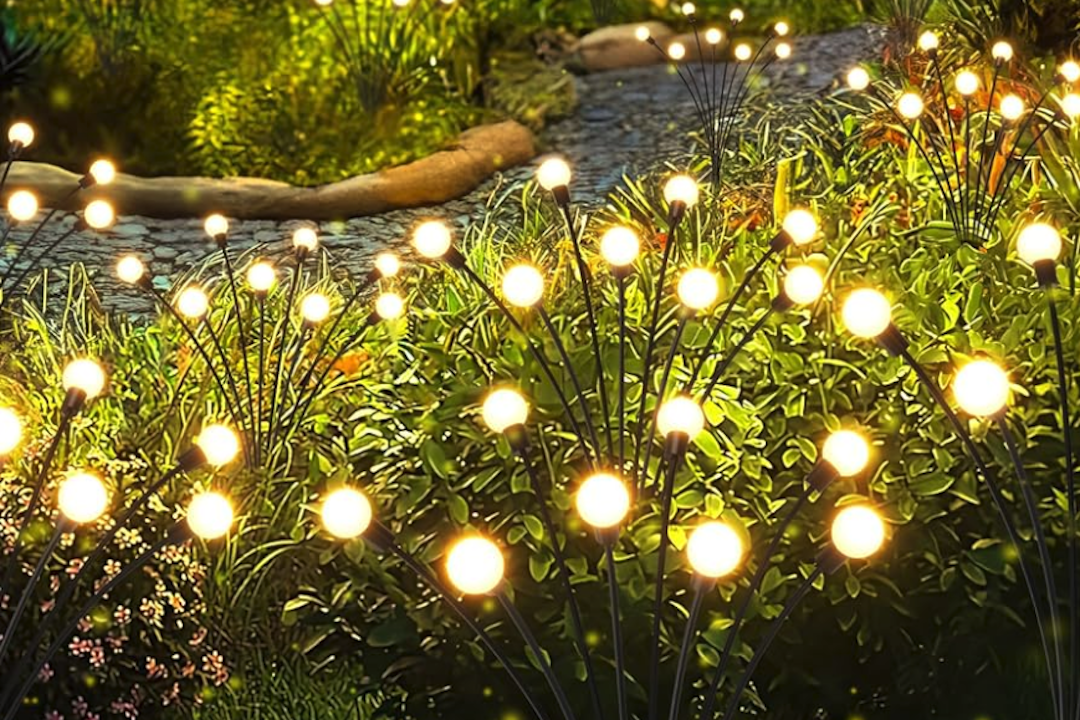
Want to add a touch of magic to your outdoor space without a ton of hassle or a big electricity bill? Solar firefly bunch lights are a really neat way to do it. Think of them as tiny, whimsical lights that mimic the natural glow of fireflies, strung together in flexible strands. They’re solar-powered, meaning they soak up the sun’s energy during the day and then automatically come to life after dark, creating a beautiful, ambient glow. In this guide, we’ll dive into what makes them work, how you can use them, and some practical tips to get the most out of them.
At their core, these lights Loxtonlighting are pretty straightforward in their operation, relying on a few key components to deliver their charming illumination. It’s not complicated technology, but understanding the basics can help you appreciate them more and troubleshoot if you run into any issues.
The Solar Panel: The Powerhouse
The heart of any solar-powered item is its solar panel. For firefly bunch lights, this is usually a small, discreet panel attached to the string of lights, often with a good length of wire to allow you to position it for optimal sun exposure.
Daytime Charging
During the day, the solar panel converts sunlight into electricity. This electricity is then stored in a rechargeable battery, typically an AA or AAA NiMH (Nickel-Metal Hydride) battery. The more direct sunlight the panel receives, the more efficiently it charges.
Battery Storage
The stored energy in the battery is what powers the lights at night. The capacity of the battery determines how long the lights will last once they turn on. Higher capacity batteries generally mean longer illumination times.
The Lights Themselves: Mini LED Blooms
The “firefly” effect comes from the small, often bulbous LED lights themselves. These are designed to emit a soft, warm glow, unlike the harsh white light you might get from some older LEDs.
LED Technology
LEDs (Light Emitting Diodes) are energy-efficient, meaning they use very little power to produce light. This is crucial for battery-operated devices like solar lights, allowing them to run for hours on the stored energy.
The Bunch Effect
The “bunch” aspect refers to how the lights are clustered on the string. Instead of being evenly spaced like typical string lights, they might be grouped together or have varying lengths of wire between them, mimicking the scattered, twinkling appearance of real fireflies.
The Sensor: Automatic Activation
You don’t need to flip a switch every evening. That’s thanks to a built-in light sensor.
Dusk-to-Dawn Functionality
The sensor detects when the ambient light levels drop to a certain point, signaling nighttime. It then triggers the battery to power the LEDs. As the sun rises and light levels increase, the sensor detects this and turns the lights off, initiating the charging cycle again. This “dusk-to-dawn” functionality is what makes them so convenient.
Creative Ways to Integrate Firefly Bunch Lights in Your Yard
These lights aren’t just for stringing along a fence. Their flexibility and charming effect open up a lot of decorative possibilities for your garden and outdoor living areas. Think beyond simple illumination and consider how they can add atmosphere and visual interest.
Enhancing Garden Beds and Pathways
One of the most natural fits for these lights is within your garden. Their delicate glow can highlight plants and guide visitors.
Tucked Amongst Shrubs and Flowers
Gently weave the strands amongst the foliage of bushes or around the base of larger plants. The lights will peek through the leaves, creating a magical, as-if-they-grew-there effect. This is particularly effective with plants that have a denser growth habit.
Lining Garden Paths
Drape the strings along the edge of a garden path. The soft light provides just enough illumination to make the path visible and safe for walking in the evening, while also adding a whimsical touch to your landscape. Avoid placing them too low where they might be easily tripped over.
Within Flower Pots and Planters
For smaller spaces or to add a focal point, consider weaving the lights into larger decorative pots or planters. They can bring a touch of enchantment to your patio or deck.
Creating Ambiance on Patios and Decks
These lights are perfect for defining outdoor living spaces and making them feel more inviting after the sun goes down.
Around Pergolas and Gazebos
Drape the strands over the supporting beams of a pergola or along the roofline of a gazebo. This creates a softened, illuminated canopy that makes evening gatherings feel special. The light cascades down, adding a cozy atmosphere.
Woven Through Railings and Balustrades
Wrap the firefly lights around deck railings or the balustrades of a porch. This adds a subtle glow without being overwhelming and can highlight the architectural features of your outdoor structure. Ensure the solar panel has access to sunlight.
In Hanging Baskets and Container Gardens
Hang decorative baskets and weave the lights through the plant material. This adds a dynamic element, as the lights will be at varying heights and can twinkle as the basket sways gently in the breeze.
Adding Whimsy to Trees and Fences
Don’t overlook vertical elements. These lights can transform ordinary structures into something more enchanting.
Cascading from Tree Branches
Let the strands gently cascade down from tree branches. This creates a natural, ethereal effect, as if pixie lights are nestled in the leaves. Aim for branches that are not too high for easy maintenance.
Along Fence Lines
Draping them along a fence can define the boundary of your yard and add a soft, welcoming glow. This also works well for creating a decorative border for an entertainment area.
Around Garden Structures
Wrap them around arbors, trellises, or even garden statues. This draws attention to these features and adds a layer of visual interest to your garden at night.
Practical Considerations for Installation and Placement
Getting these lights to look their best and function reliably involves a bit of thoughtful placement. It’s not just about plugging them in (which you don’t do anyway!).
Maximizing Solar Panel Efficiency
The key to bright, long-lasting lights is ensuring the solar panel gets enough energy.
Sun Exposure is Crucial
Find a location for the solar panel that receives at least 6-8 hours of direct sunlight per day. Avoid placing it under dense tree cover, next to tall buildings, or in areas that are shaded for much of the day.
Angle and Orientation
Generally, facing the solar panel south (in the Northern Hemisphere) will provide the most consistent sunlight throughout the day. Experiment with slightly different angles to see what works best in your specific location.
Keeping it Clean
Dirt, dust, pollen, and even bird droppings can reduce the efficiency of the solar panel. Wipe it clean periodically with a damp cloth. You don’t need harsh chemicals; a simple wipe-down is usually enough.
Securing the Light Strings
Once you’ve decided on your placement, you’ll want to make sure the lights stay where you put them.
Using Clips and Ties
Many solar firefly lights come with small clips or ties. Use these to gently secure the wires to fences, branches, or structures. Avoid overtightening, which can damage the wires or the plant.
Stealthy Integration
For a more natural look, try to wind the wires subtly within the foliage of plants or behind decorative elements. The goal is for the lights to appear almost as if they are a natural part of the scene.
Considering Weather Resistance
While designed for outdoor use, there are variations in how well different models hold up to the elements.
Checking IP Ratings
Look for lights with a good IP (Ingress Protection) rating. An IP65 rating, for example, means the lights are protected against dust and low-pressure water jets, making them suitable for most outdoor conditions.
Winter Storage
If you live in an area with harsh winters or prolonged periods of heavy rain or snow, consider bringing the lights indoors during the coldest months. This can extend their lifespan, particularly the battery.
Maintaining Your Solar Firefly Bunch Lights for Longevity
Like any outdoor decor, a little bit of care goes a long way in keeping these lights looking good and working properly year after year.
Battery Care and Replacement
The rechargeable battery is often the first component to show signs of wear.
Seasonal Cleaning
Before storing them for the winter, or at the beginning of the decorating season, clean the battery contacts with a pencil eraser or a cotton swab lightly dampened with rubbing alcohol. This removes any corrosion.
Signs of a Failing Battery
If your lights are no longer holding a charge for a reasonable amount of time (e.g., only lasting an hour or two), it’s likely the battery needs replacing. Most of these lights use standard AA or AAA rechargeable NiMH batteries, which are readily available.
Inspecting the Wiring and Lights
Periodically check for any signs of damage.
Looking for Frayed Wires
Gently examine the wires for any cuts, nicks, or fraying. If you find damage, it might be best to retire that section of the lights to avoid electrical hazards or further deterioration.
Checking for Loose Connections
Ensure the connections between the lights and the wire, and where the wire meets the solar panel, are secure. Gentle wiggling can sometimes help reseat a loose connection without causing damage.
Cleaning the Solar Panel Regularly
As mentioned earlier, this is a key maintenance task.
Gentle Wiping
Use a soft, damp cloth. Avoid abrasive materials or harsh cleaning solutions that could scratch the panel’s surface, reducing its light absorption capability.
Removing Debris
Periodically remove any leaves, twigs, or spiderwebs that might accumulate on the panel, as these can also block sunlight.
Choosing the Right Solar Firefly Bunch Lights for Your Needs
With so many options available, selecting the best set involves thinking about what you want them to do and how they’ll fit into your space.
Considering Light Count and String Length
The number of lights and the total length of the string are fundamental factors.
Small Spaces vs. Large Areas
For a small patio or a few planters, a shorter string with fewer lights might be perfect. For winding through a large tree or along a long fence, you’ll need a longer string with more lights to achieve a full effect.
Light Density
Some “bunch” lights have lights very close together, creating a dense sparkle, while others have more spacing. Think about the visual impact you’re after.
LED Color and Warmth
The color of the LEDs makes a big difference in the overall mood.
Warm White for Classic Ambiance
Most firefly lights come in a warm white or a soft yellow, mimicking the natural glow of fireflies. This is generally the most popular and versatile choice for creating a cozy atmosphere.
Other Color Options
While less common for the “firefly” aesthetic, you might find sets with other colors like cool white, blue, or even multi-color LEDs. Consider if these fit your desired look or the occasion.
Power Source and Battery Quality
This directly impacts performance.
Battery Capacity
Look for battery specifications. A higher mAh (milliampere-hour) rating usually indicates a longer run time.
Solar Panel Size
A slightly larger solar panel might charge more effectively, especially on cloudy days, but it can also be less discreet. Balance performance with aesthetics.
Durability and Weather Ratings
Ensure the lights are built to withstand your local climate.
Material Quality
Check reviews for comments on how well the lights hold up over time, especially in terms of the wire insulation and the casing of the solar panel.
Dedicated Outdoor Models
Prioritize lights specifically marketed for outdoor use and that have a decent IP rating to ensure they can handle rain and moisture.